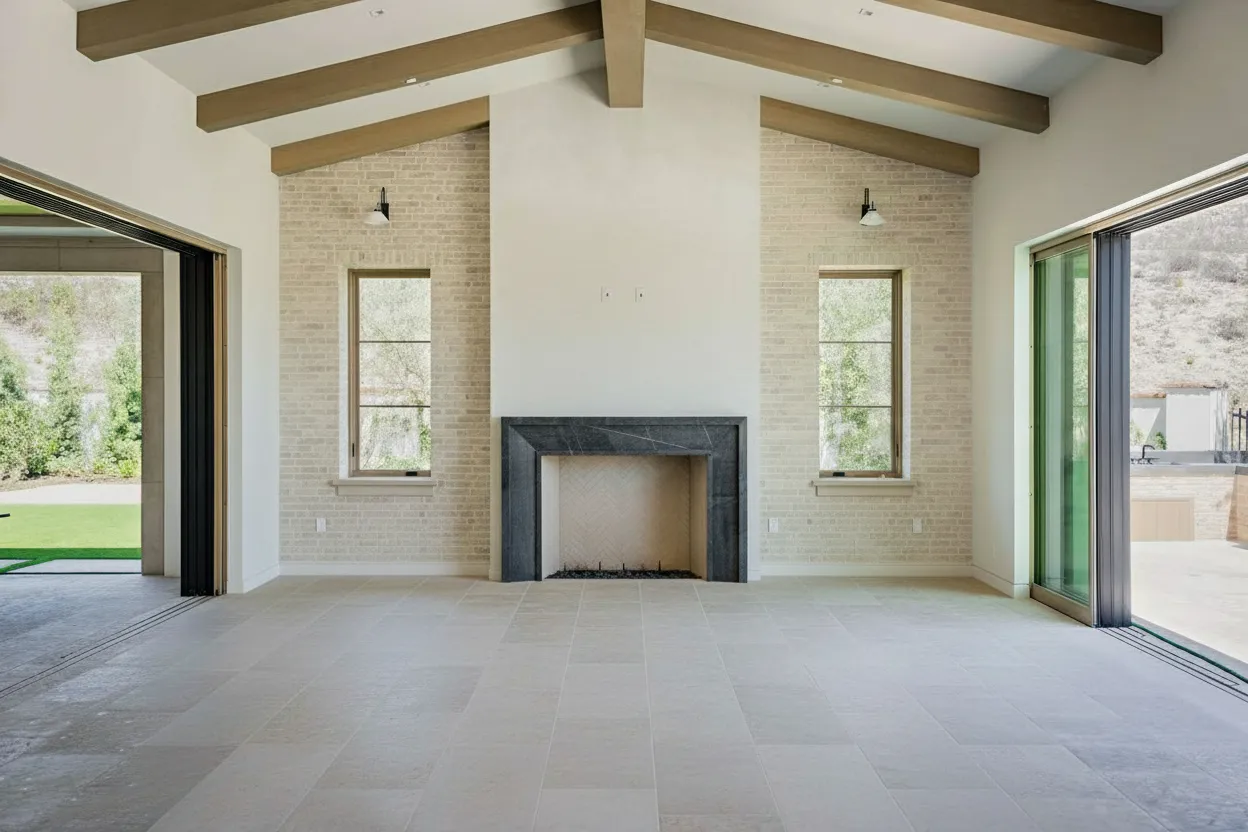
We all know the power of curb appeal, but what if you could manufacture it in seconds, without lifting a shovel? That’s the core idea behind AI in landscape design.
Think of it as virtual staging for your yard. It’s a way to take a property’s lackluster exterior—be it a patchy lawn or a barren garden—and instantly show prospective buyers its full, lush potential.
The New Way to Instantly Boost Curb Appeal

You’ve seen the house. It has great bones, a perfect location, but an exterior that’s so tired and uninspired it stops buyers from even getting out of the car. It’s a classic real estate problem where a poor first impression can kill a deal before it even starts.
This is where AI for landscape design steps in. Instead of waiting weeks and spending a fortune on physical landscaping, you can give that same exterior a complete digital makeover in seconds. It’s a true game-changer for selling properties faster and for a better price.
Why Visuals Matter More Than Ever
In a crowded online marketplace, you have just a moment to grab a buyer’s attention. A listing with a sad, neglected yard often gets scrolled past, but one with a vibrant, welcoming landscape immediately pulls people in. AI helps you create that initial spark by showing buyers what’s possible.
- Builds an Emotional Connection: A beautifully landscaped photo isn’t just a picture; it helps buyers imagine themselves relaxing on the patio or hosting a barbecue, making the house feel like a home.
- Highlights Untapped Potential: It turns an overlooked outdoor area into a key selling point, whether that means showcasing a future garden or simply presenting a perfectly manicured lawn.
- Helps Buyers See Past Flaws: With AI, potential buyers can look right past a dead lawn or empty flowerbeds and focus on the property’s future beauty.
This isn’t just a niche trend. The global market for landscape design software hit USD 2.1 billion in 2024 and is expected to grow at a healthy 7.2% CAGR through 2033. Much of that growth comes from AI’s knack for automating design ideas and personalizing the results, showing just how much it’s shaking up traditional ways of doing things.
AI landscaping tools help buyers see the dream, not the disrepair. By digitally overhauling lawns, gardens, and entryways, you create an irresistible first impression that translates into more showings and quicker offers.
The real difference becomes clear when you compare the old way of doing things with this new, AI-powered approach.
Traditional Landscaping vs AI-Powered Virtual Landscaping
| Factor | Traditional Landscaping | AI-Powered Virtual Landscaping |
|---|---|---|
| Cost | High (materials, labor) | Low (subscription or per-image fee) |
| Time | Weeks or months | Seconds or minutes |
| Flexibility | Low (difficult and costly to change) | High (endless revisions and styles) |
| ROI | Good, but slow to realize | Immediate boost to marketing assets |
Ultimately, traditional landscaping is an investment in the physical property, while AI landscaping is an investment in marketing that property effectively.
This technology isn’t just for making things look pretty—it’s a strategic tool. You can use AI to visualize more ambitious projects, like showing how these essential outdoor kitchen layout ideas could fit into a backyard. It gives buyers a complete vision for outdoor living, not just a green lawn. This visual-first strategy works hand-in-hand with other modern marketing techniques, like using a drone to capture incredible images, a topic we cover in our guide to aerial photography for real estate.
How AI Landscape Design Actually Works

It’s easy to see the stunning “before and after” results, but what’s actually happening behind the scenes? How does a computer turn a neglected yard into a potential buyer’s dream? The answer lies in a powerful form of artificial intelligence called Generative AI.
Think of this AI as a landscape architect who has spent a lifetime studying millions of property photos, gardens, and plant species. It’s learned what makes an outdoor space feel welcoming and what combinations of plants, textures, and colors work together. So, when you upload a photo, the AI doesn’t just see a picture; it instantly recognizes the lawn, the driveway, the trees, and the house itself.
This ability to identify every object in the photo is the critical first step. The AI essentially creates a digital map of the yard, which lets it make surgical changes—like targeting only the dead grass while leaving the surrounding flowerbeds and walkways untouched.
From Photo Analysis to Creative Generation
Once the AI has a solid grasp of the property’s current state, the creative part begins. This is where you step in. By giving it a simple command like “add a lush, green lawn” or choosing a pre-set style like ‘Modern Desert,’ you’re essentially providing the artistic direction.
From there, the AI generates brand-new pixels that fit your request, blending them perfectly into the original image. It’s smart enough to match the existing sunlight, shadows, and perspective, which is why the final image looks so convincingly real.
At its heart, AI landscaping is about pattern recognition and creative generation. The system analyzes a property photo, identifies key landscape elements, and then replaces or adds new ones based on user prompts, all while maintaining a photorealistic look.
This process unlocks some incredibly practical features for real estate marketing and property management:
- Lawn Replacement: This is the most popular use for a reason. The AI can swap a patchy, brown lawn for a perfect, vibrant green one in seconds. It’s a small change that makes a huge impact on curb appeal. If you want to dive deeper into this, our guide to AI lawn replacement for real estate photos has you covered.
- Adding Flora: You can instantly add mature trees for shade, fill empty spaces with colorful flowerbeds, or place elegant shrubs to frame the home.
- Hardscape Design: The system can visualize entirely new features like stone patios, winding walkways, or even retaining walls, helping clients see a property’s hidden potential.
A Blend of Art and Technology
While the AI does the heavy lifting, your own eye for design is still a huge asset. A good understanding of basic landscape design principles helps you guide the AI to create visuals that are not only beautiful but also practical for the home’s style and region.
What makes this tool so effective is that it’s not just doing a simple copy-and-paste. The AI is creating visuals that understand their surroundings. For instance, when it adds a new tree, it also generates the new shadows that the tree would cast on the lawn and the side of the house. It’s this intelligent, context-aware approach that turns a simple photo into a powerful marketing tool.
An Easy AI Workflow for Real Estate Professionals
All the theory is great, but what does using AI for landscape design actually look like when you’re a busy agent trying to get a listing live? The good news is that it’s surprisingly simple. This isn’t about learning complex software; it’s about knowing which buttons to press to get a ‘wow’ result.
Let’s walk through a real-world scenario. You’ve just signed a new listing. The inside is fantastic, but the front yard is a mess—we’re talking patchy, brown grass that will make buyers scroll right past it online. Your job is to fix that eyesore, fast.
Step 1: Start With Your Standard Photo
First things first, you don’t need any special camera gear. Just grab a decent exterior shot of the property with your phone or camera. This is the same photo you’d be taking anyway for the MLS or your social media feeds.
Modern AI platforms like BrightShot are built to work with everyday pictures. You just upload your image, and the system has it ready to go in seconds.
The best tools keep the interface incredibly clean, so you can drag and drop your photos and get right to the good stuff without a confusing dashboard.
A simple layout like this means no steep learning curve—you can jump in and start making high-impact edits immediately.
Step 2: Fix the Biggest Eyesore Instantly
With your photo loaded, it’s time for the one-click magic. The single most effective move you can make is to fix the lawn. A dead, neglected lawn kills curb appeal faster than anything else.
Using a feature like Lawn Replacement, the AI instantly analyzes the image, identifies every brown patch and weed, and replaces it all with a perfectly lush, green lawn. This one change can completely transform a buyer’s first impression of the home. You can get a closer look at the technology behind AI lawn enhancement to see how it works.
Pro Tip: Want to really stop the scroll? After you’ve greened up the lawn, apply a ‘Day to Dusk’ filter. The combination of a perfect lawn and a beautiful twilight sky creates a truly captivating image that stands out from the competition.
Step 3: Showcase the Property’s Versatility
But why stop at just fixing what’s broken? The real power of AI is in showing potential buyers what’s possible. Instead of just showing them a healthier lawn, you can show them entirely new visions for the outdoor space.
With a few clicks, you can test out different landscaping styles to show off how versatile the property is.
- Japanese Zen Garden: Give the yard a tranquil, minimalist feel.
- Modern Desert: Swap the grass for a chic, low-maintenance xeriscape.
- English Cottage Garden: Add romantic, overflowing flowerbeds for a timeless appeal.
This isn’t just about making a pretty picture; it’s about helping a buyer emotionally connect to the home by visualizing a future they can create. It’s a powerful tool, especially when you consider the landscaping industry now includes over 48,721 businesses in the US alone. AI is quickly becoming a key player in this space, just as it has in virtual staging, by offering automated and sustainable design ideas that modern buyers value. You can dig deeper into the data on the expanding landscape design industry on IBISWorld.com.
The ROI of AI-Enhanced Property Exteriors
While the tech is impressive, the only question that really matters to a property professional is: what’s the return on my investment? The truth is, using AI for landscape design isn’t just another marketing expense—it’s a direct strategy for achieving higher profits and closing deals faster. The value comes from showing buyers an idealized, yet completely achievable, vision of a home’s exterior.
This approach immediately grabs more attention online. A listing with a vibrant, perfectly manicured yard gets more clicks, keeps users on the page longer, and ultimately drives more tour requests. It helps potential buyers see past a neglected lawn and envision the dream home waiting for them.
Accelerating Sales and Boosting Value
The most significant return comes from speed. Properties with great curb appeal—even virtual curb appeal—simply sell faster. Instead of spending thousands on physical landscaping and waiting weeks for the work to be done, you can generate a flawless exterior in seconds for a tiny fraction of the cost.
This gives you a powerful edge. While competing listings show tired, weather-beaten yards, yours presents a perfect first impression, no matter the season. You’re not just selling a house; you’re selling its full potential from day one.
By helping buyers visualize a move-in ready exterior, AI landscape tools remove the mental hurdles that often slow down a purchase decision. This directly translates into fewer days on market and stronger offer prices.
The global demand for these efficient design tools is climbing fast. AI is reshaping the entire landscaping industry, with the Asia Pacific region alone expected to account for 34.8% of a $3.15 billion market by 2025. This reflects a massive 73.41% increase from 2021, proving just how essential high-quality virtual design has become for boosting property value. You can find more details on these market trends in the full landscape design software market report.
From High Costs to High Returns
The financial case becomes undeniable when you compare the costs side-by-side. Traditional landscaping can easily cost thousands of dollars for a single property, with no guarantee that the final result will even appeal to a specific buyer. In contrast, AI tools produce a superior marketing image for a minimal per-image or subscription fee.
The process itself couldn’t be simpler, breaking down into three straightforward steps.

This ‘Upload, Enhance, Showcase’ workflow makes professional-grade marketing accessible to everyone, allowing any agent to create visuals that were once only possible with a big budget. By slashing major upfront costs, you maximize the profitability of every single listing.
Best Practices for Marketing with AI Landscaping

There’s no question that using AI for landscape design can make your listings pop, but how you use it is what separates a gimmick from a genuinely powerful marketing tool. The entire game is about building trust, not creating a fantasy that crumbles on the first visit. Think of these AI tools as a way to showcase a property’s potential, not to misrepresent what’s actually there.
The golden rule is simple: be upfront. You’re selling a vision of what a home could become, and believe it or not, buyers respect that honesty. A subtle watermark or a clear note in the description like “virtually enhanced” or “artist’s rendering” does the job perfectly. This small act not only keeps expectations in check but also keeps you in line with MLS rules, which are very clear about marking the difference between a real photo and a virtual edit.
Upholding Authenticity in Your Designs
Transparency isn’t just about a disclaimer—it’s baked into the design choices you make. Sure, an AI-generated tropical paradise with palm trees might look incredible, but if the house is in Minnesota, you’re setting up a false and frankly unachievable expectation.
To create visuals that are both inspiring and grounded in reality, keep these tips in mind:
- Choose Climate-Appropriate Styles: Stick to designs that make sense for the local environment. A gorgeous English garden might be perfect for a New England colonial, while a sleek xeriscape is a much better fit for a desert modern home.
- Show Achievable Changes: Focus on enhancements a new owner could realistically tackle. Things like swapping out a patchy lawn, adding flowerbeds, or showing what a new patio could look like are fantastic, practical examples.
- Maintain Architectural Integrity: Make sure the AI-generated landscaping feels like it belongs with the house. The new yard should complement the home’s style, not fight with it.
The goal is to help buyers dream, not to deceive them. By using AI landscaping as an inspirational tool, you show buyers the hidden value in a property while maintaining the highest standard of professional integrity.
When you take this ethical approach, you build a much stronger relationship with potential buyers. Providing a compelling vision alongside other genuinely helpful resources, like a guide on how to create virtual tours for real estate, shows that you’re a trusted advisor. You’re helping clients see their potential new home from every angle, giving them the confidence to make the right decision.
Common Questions About AI Landscape Design
Whenever a new tool like this comes along, it’s smart to ask tough questions. And when it comes to using AI for landscape design in real estate, I hear a few concerns pop up again and again. Let’s tackle them head-on, because understanding the answers is key to using this technology effectively and ethically.
Probably the biggest question I get is: “Isn’t this misleading buyers?” It’s a fair point. But the goal here is never to deceive; it’s to inspire. You’re simply showing a property’s potential.
The whole thing comes down to transparency. Think of it like architectural renderings for a new construction—everyone knows it isn’t built yet. A simple, clear disclosure like “Virtually staged to show potential” on the image does the trick. It’s an honest approach that meets MLS guidelines and, more importantly, builds trust by showing buyers what could be without misrepresenting what is.
Costs And Capabilities
Another big question is always about the price tag. How does AI landscaping stack up against the real thing? Honestly, it’s not even in the same league. Getting a crew out to do physical landscaping can run you thousands of dollars and take weeks to complete.
In contrast, AI enhancements cost just a few dollars an image, or they’re wrapped into a very affordable monthly subscription. This means you can give every single listing incredible curb appeal without blowing your budget.
The ROI is clear: For a minimal investment, you create powerful marketing assets that can help a property sell faster and for a better price, eliminating the high cost and long wait times of physical staging.
Finally, agents often ask me if the designs are even practical. Will the AI suggest a bunch of tropical plants for a property in Maine?
Thankfully, no. The more sophisticated AI models are trained on massive datasets that include regional plants, climate zones, and local architectural styles. They can generate landscaping that is not only beautiful but actually makes sense for the location. Whether you need a classic New England cottage garden or a drought-tolerant California desert scape, the AI can produce a vision that feels authentic and appeals to today’s buyers.
Ready to transform your property listings with stunning, AI-powered curb appeal? BrightShot gives you the tools to replace lawns, add landscaping, and create jaw-dropping visuals in seconds. Start your free trial today and see the difference.