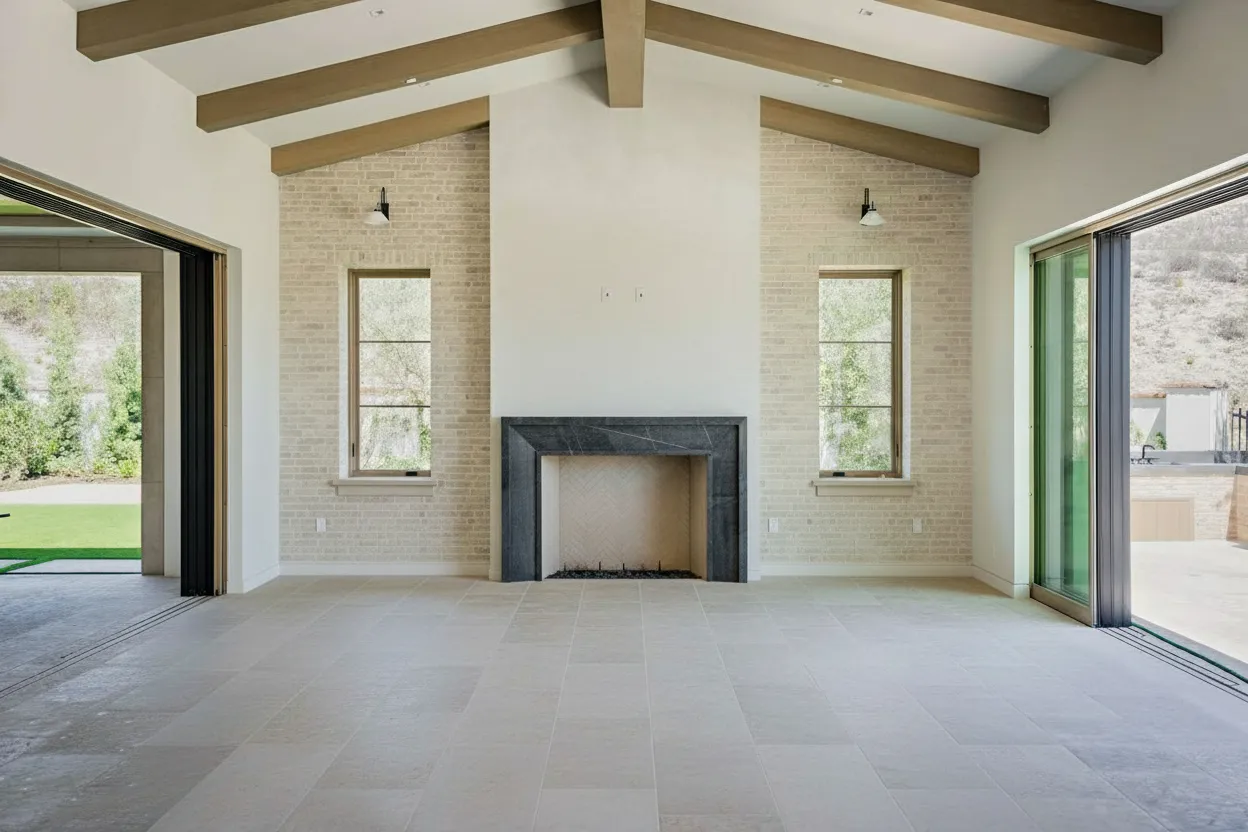
A career in home staging is more than just arranging furniture. It’s about blending an eye for interior design with a sharp understanding of the real estate market, all while deciding whether to use physical inventory or cutting-edge virtual staging tools to get the job done.
Why 2026 Is the Perfect Year to Start Your Staging Career
If you’ve been thinking about becoming a home stager, your timing couldn’t be better. What was once seen as a luxury service is now a must-have for savvy real estate agents and sellers who know a staged home performs better. It sells faster, and it sells for more money—period.
This shift in mindset has created a massive demand for skilled stagers. The industry is booming, with projections showing an impressive 9% average annual growth rate. For anyone looking to jump in around 2026, this means walking into a field ripe with opportunity in a hot housing market.
The Modern Stager’s Winning Formula
To really succeed today, you need more than just good taste. It’s a powerful mix of art, business, and psychology. You have to create beautiful spaces, yes, but you also need to run a tight ship financially and understand what makes a potential buyer fall in love with a property.
This flowchart really nails the three pillars of a successful staging business.

As you can see, the magic happens when your design talent, business smarts, and grasp of buyer psychology all work together. This is how you deliver results that clients are happy to pay for.
A Clear Path Forward
The journey from aspiring designer to full-time professional stager is more straightforward than you might think. We’ve broken down the entire process into a high-level roadmap to guide you from learning the ropes to launching your own business.
Here’s a bird’s-eye view of what that journey looks like.
Your Roadmap to Becoming a Home Stager
| Phase | Key Actions | Estimated Timeline |
|---|---|---|
| Phase 1: Foundation | Master design principles, learn space planning, and get certified. Study local real estate market trends. | 1-3 Months |
| Phase 2: Toolkit | Build your portfolio (use virtual staging to speed this up!). Define your service packages and set pricing. | 2-4 Months |
| Phase 3: Business | Register your business, create contracts, and set up your client onboarding process. Start marketing. | 1-2 Months |
This table maps out the key milestones, but we’re going to dive deep into each one, giving you the practical steps and insider tips you need to move forward confidently.
Along the way, you’ll see how to build a portfolio that attracts clients, especially with virtual staging and some of the best 360 virtual tour software available today. You’ll also learn how to structure your services, set profitable prices, and use solid contracts to protect yourself.
The best stagers don’t just decorate. They sell a feeling. They help buyers see a property not just as a structure of wood and drywall, but as the place where their future life will unfold. That’s the secret sauce.
This guide is your complete playbook. We’ll give you the actionable advice, templates, and checklists to build a thriving and profitable staging business from the ground up. Let’s get started.
Building Your Essential Home Staging Skillset
A good eye for design is a great place to start, but it’s just that—a start. To build a real career in home staging, you need to develop a much deeper, more strategic skillset. This isn’t about decorating a space to your own personal taste; it’s about methodically turning a property into a product that sells fast and for top dollar.
The real work is a blend of art and hardcore real estate strategy. You’ve got to get a handle on the principles that genuinely influence how buyers feel and act. This means understanding how specific color palettes can make a room feel bigger, cozier, or more high-end. It’s never just about slapping on a nice coat of paint; it’s about using color to solve a room’s problems and show off its best assets.
Just as critical is your command of spatial planning. You need to know how to arrange furniture to create an undeniable sense of flow, carving out clear, functional zones that make even the trickiest layouts feel intuitive and spacious.
It’s Not Decorating—It’s Merchandising
The biggest mental leap for any aspiring stager is grasping the difference between “decorating to live” and “staging to sell.” When you decorate your own home, you fill it with personality—your photos, your quirky furniture, your bold color choices.
When you’re staging to sell, you do the exact opposite. Your job is to create a clean, aspirational canvas that allows the widest possible range of buyers to picture their lives happening there. It all comes down to depersonalization and mass appeal.
You aren’t just placing furniture; you’re crafting a story about the life someone could live in that home. That emotional connection is what turns a casual looker into a serious buyer.
Think about it: a homeowner’s wall of family photos is precious to them, but to a potential buyer, it’s a distraction. As a stager, your role is to gently clear away those personal layers and bring in strategic pieces that tell a new story of potential. Learning how to expertly declutter a home for sale is one of the most fundamental skills you can master.
Know Your Market, Know Your Buyer
A one-size-fits-all approach to staging is a recipe for failure. The skill that truly separates the pros from the amateurs is the ability to read the local real estate market and pinpoint the target buyer for a specific listing.
Staging a sleek, downtown condo for a young professional demands a totally different game plan than staging a sprawling suburban house for a growing family.
- The Condo: Here, you’d probably focus on multi-functional furniture, a sophisticated, neutral color scheme, and well-defined areas for both work and entertaining. This buyer values style and efficiency.
- The Family Home: For this property, your design would lean into warmth and durability. You’d want to highlight a cozy family room, a practical kids’ area, or an inviting dining room ready for holiday meals. This buyer values comfort and community.
This kind of market insight allows you to create a design that speaks directly to the very people who are most likely to put in an offer.
The Great Debate: Formal Training vs. Real-World Experience
So, do you really need an interior design degree or a fancy certification? The short answer is no, but that doesn’t mean you can skip the education. While a degree offers a solid theoretical foundation, countless successful stagers have built incredible careers through specialized certification programs and, more importantly, tons of hands-on experience.
These staging-specific programs are great because they teach you the business and psychology of selling a property—things often missing from a traditional design curriculum. You’ll learn the language of real estate, how to collaborate with agents, and the nuts and bolts of running your own staging business.
At the end of the day, your portfolio will always speak louder than a certificate. Whether you’re certified or self-taught, your ability to show off tangible, beautiful results is what will win you clients. To build a strong foundation for your career, it’s smart to dive into practical resources like these 10 essential home staging tips that can make a huge difference.
No matter which path you take, continuous learning is the name of the game. Keep up with design trends, go to industry workshops, and never stop seeking inspiration. Your value as a professional stager is directly tied to your ability to create spaces that feel fresh, relevant, and irresistible.
Creating a Portfolio That Lands You Clients
Let’s be honest—your portfolio is your single most important sales tool. It’s the ultimate proof of your skills. When you’re just starting out, long before you have a roster of paying clients, your portfolio is what will convince real estate agents and homeowners that you’re the real deal.
But this leads to the classic chicken-and-egg problem: you need clients to build a portfolio, but you need a portfolio to land clients. It’s a frustrating spot to be in, but trust me, there are clever ways to get around it and start building a collection of stunning work right now.

Building Your Portfolio from Scratch
You don’t need a paying client to get started. All you need is a little resourcefulness and a willingness to create your own opportunities.
Look no further than your own home. Seriously. Pick a room that could use some love—a cluttered home office, a tired-looking living room—and treat it as your very first project. Document the “before” state in all its messy glory, then work your magic. Declutter, rearrange, add some strategic decor, and create that bright, inviting space you know you can deliver.
Once you’ve tackled your own space, it’s time to branch out.
- Offer to Help Friends and Family: You probably have a friend who’s been putting off redecorating their guest room, or a relative whose house feels a bit dated. Offer to stage a room for them at cost or for a small fee. The catch? You get to take professional photos for your portfolio.
- Partner with a New Real Estate Agent: Find a newer agent with a vacant listing that just isn’t selling. Pitch them a “portfolio-builder” deal. You stage one or two key rooms for a bare-bones fee that just covers your costs. It’s a win-win: they get a more marketable property, and you get incredible, real-world experience for your book.
I can’t stress this enough: never offer your services completely for free. Even a small fee establishes your value and ensures everyone involved takes the project seriously. This is a business, not a hobby.
Your goal here is to gather a handful of diverse examples. Show that you can handle different styles and spaces. This proactive approach not only builds your portfolio but also proves your drive.
Leverage Virtual Staging for Instant Results
Physical staging is the gold standard, but let’s face it—it’s expensive and time-consuming. You need furniture, transport, and a lot of elbow grease. This is where virtual staging becomes your secret weapon, allowing you to build a high-impact portfolio without owning a single sofa.
Platforms like BrightShot are a game-changer for new stagers. You simply upload a photo of an empty room and digitally furnish it in minutes. This lets you showcase an incredible range of styles, from cozy modern farmhouse to sleek urban industrial, proving your versatility to potential clients.
Virtual staging gives you some serious advantages right out of the gate:
- Low Cost: It drastically cuts down the need for a massive upfront investment in furniture and decor.
- Speed: You can create stunning “after” shots in a matter of minutes, not days.
- Variety: Build a diverse portfolio with multiple design aesthetics without needing different sets of inventory.
Perfecting Your Before-and-After Shots
Nothing sells your service faster than a dramatic before-and-after shot. It’s undeniable proof of the value you bring, showing exactly how you solve problems and create buyer appeal.
To make your transformations truly shine, you need to get the photography right.
- Lock in Your Angle: Always shoot the “before” and “after” photos from the exact same spot. This creates a powerful, direct comparison that makes your work look even more impressive.
- Chase the Light: Natural light is your best friend. Shoot during the day, open all the blinds, and turn on every light in the room. Bright, crisp photos feel professional and inviting.
- Tell a Story: Don’t just show a pretty room. The “before” shot needs to clearly show the problem—clutter, a bad layout, dated furniture. The “after” shot is the beautiful solution. To see some great examples, check out our guide to creating incredible staging before and after photos that will have clients calling.
Think of your portfolio as a living, breathing document. As you complete more projects, keep updating it with your best work. Be selective. A smaller, curated portfolio of high-quality transformations is far more powerful than a huge collection of mediocre ones. It’s your ticket to landing that next big client.
Structuring Your Business for Profit and Growth

Alright, let’s talk business. Turning your passion for design into a profitable career means getting real about the numbers and building a solid foundation. This is where you move from the mood board to the balance sheet.
It all starts with creating compelling service packages and setting prices that reflect your true value. I see so many new stagers stumble here, afraid to charge what they’re worth. You have to remember: home staging isn’t just an expense for your clients—it’s a high-return investment that directly impacts their final sale price.
Designing Your Service Packages
One of the biggest mistakes you can make is offering a vague, “one-size-fits-all” service. It’s confusing for clients and a nightmare for your workflow. A much better approach is to structure your offerings into clear, distinct packages that cater to different needs and budgets.
Think of it as creating a “good, better, best” menu. This makes it easy for potential clients to see exactly what they’re getting and choose the option that feels right for them.
Here’s a simple, tiered structure that works well:
- The Consultation: This is your perfect entry-level service. You do a thorough walk-through of the property and give the homeowner a detailed, actionable report of changes they can make themselves.
- The Occupied Stage: Here, you work with the client’s existing furniture. You’ll artfully rearrange what they have, edit out what doesn’t work, and bring in key rental pieces, art, and accessories to completely transform the feel of the home.
- The Vacant Stage: This is your premium, full-service package for empty properties. You handle everything—from furniture and rugs to art and decor—to furnish the key rooms and create a show-stopping listing.
Having distinct packages gives you multiple ways to land a client. Someone hesitant about a full vacant stage might be happy to start with a consultation, giving you the perfect opportunity to build trust and potentially upsell later.
To help you visualize this, here’s a breakdown of common packages and how they’re typically priced.
Home Staging Service Packages and Pricing Models
| Service Package | What’s Included | Common Pricing Model | Typical Price Range (USD) |
|---|---|---|---|
| Consultation | A 1-2 hour walk-through, detailed digital report with room-by-room recommendations, paint color suggestions, and a checklist for the homeowner. | Flat Fee | $250 - $600 |
| Occupied Staging | Rearranging existing furniture, decluttering, and accessorizing. May include a small budget for rental items like art, pillows, and lighting. | Flat Fee or Hourly | $800 - $3,000+ |
| Vacant Staging | Full staging of key rooms (e.g., living room, primary bedroom, dining room) with rented furniture, art, rugs, and decor. Includes design, installation, and de-staging. | Monthly Fee | $2,000 - $10,000+ for the first month, then a renewal fee |
| Virtual Staging | Digitally adding furniture and decor to photos of empty rooms. Ideal for specific marketing needs or tighter budgets. | Per Photo | $25 - $75 per image |
These packages provide a solid starting point. As you gain experience, you can customize them or add other services like shopping assistance or curb appeal consultations.
Setting Your Prices with Confidence
Pricing can feel like guesswork at first, but it should always be a strategic decision. You have to account for every single cost, not just the obvious ones like furniture rental and mover fees. Think about your insurance, marketing, software, and—most importantly—your own time and expertise.
When you undervalue your services, you don’t just hurt your own business—you create an expectation that professional staging is cheap. Charge what you’re worth from day one. It’s a non-negotiable part of building a sustainable career.
Start by calculating your baseline costs for a typical project, then add your desired profit margin. Don’t be afraid to research what established stagers in your area are charging. This isn’t about a race to the bottom; it’s about positioning yourself as a professional while ensuring you’re profitable from day one.
Proving Your Value with Hard Data
Your most powerful sales tool is the ability to show a clear return on investment (ROI). You need to confidently explain to a seller how your fee isn’t a cost, but a small investment that will make them significantly more money.
And luckily, the numbers are on your side. The ROI for professional staging is staggering—sellers see an average 3,551% return on what they spend.
Think about that. When homeowners invest an average of $3,780 in staging, they see an average gain of $58,000 over their asking price. Beyond the price, there’s speed: staged homes sell in just 19 days on average, which is 73% less time on the market. If you want to dive deeper, you can find more stats in this report on why staging is a smart investment for sellers.
When you lead with data like this, the conversation quickly shifts from “How much does it cost?” to “How much more will I make?”
The Importance of an Ironclad Contract
Never, ever start a project without a signed contract. A handshake agreement is a recipe for disaster. A professional contract is your best friend—it protects you and your client by setting clear expectations and preventing misunderstandings.
Your contract doesn’t need to be 50 pages long, but it absolutely must cover the essentials in plain language.
- Scope of Work: Be specific. Detail exactly which rooms will be staged and what services are included (and just as importantly, what is not included).
- Payment Terms: Outline the total fee, the required deposit, the payment schedule, and any penalties for late payments.
- Timeline: Clearly define the staging installation date and the de-staging date.
- Liability: Include clauses that cover potential damage to your inventory or the client’s property.
Using a solid contract from your very first client establishes you as a serious professional and sets the stage for a smooth, profitable project every time.
Marketing Your Business and Finding Your First Clients
You’ve got the skills and a portfolio that proves it. Now comes the part that separates the hobbyists from the pros: getting clients. The best staging in the world doesn’t matter if no one sees it. Your most direct path to a full calendar won’t be a clever ad—it’ll be building solid relationships with real estate agents.
Agents are always searching for an edge. They need to sell homes faster and for top dollar. A great stager is their secret weapon, making you one of the most valuable people they can have in their corner.
Build Your Network with Real Estate Agents
Your first task is to get on the radar of local agents. This isn’t about spamming every agent in the city; it’s about a focused, professional game plan. Start by researching the top-performing agents in the neighborhoods you want to serve. Pay attention to their branding and the types of properties they list—you want to find a match for your style.
Once you have a curated list, it’s time to connect.
- Send a short, value-packed email. Introduce yourself, mention your specialty (e.g., modern, luxury, vacant homes), and—most importantly—link to your portfolio. The goal isn’t a hard sell; it’s simply to open the door.
- Ask for 15 minutes. Whether it’s a quick coffee or a video call, request a brief meeting to show them what you can do. Frame it as an opportunity to see how you can help them hit their sales targets.
- Let your photos do the talking. In your meeting, guide them through your before-and-after shots. Explain why you made certain choices to fix a room’s flaws or highlight its best features for potential buyers.
Don’t just take my word for it. The numbers back this up. A recent report revealed that 81% of buyers’ agents said staging makes it easier for buyers to visualize a property as their home. And the living room? It’s the big one, with 39% of agents stressing its importance. When you can show an agent you know how to nail these critical spaces, you become indispensable.
Expand Your Marketing Channels
While agents are your bread and butter, you need more than one way to bring in business. Think of your online presence as your salesperson who never sleeps.
First, you absolutely need a professional website. It doesn’t have to be massive or complicated, but it must be polished and showcase your portfolio beautifully. It’s your digital handshake and the foundation of your credibility.
Next, get visual on social media. For a home stager, Instagram and Pinterest are non-negotiable. This is where you post your best work, share quick design tips, and give people a peek behind the scenes. This is how you build a following and establish yourself as the go-to expert in your area. It’s also where you start to figure out how to build a personal brand that stands out and attracts the clients you actually want to work with.
Marketing isn’t just about booking the next job. It’s about building a brand that consistently attracts your ideal clients for years. Every email, every photo, every conversation is a brick in that foundation.
Cultivate a Referral Network
Your marketing should also focus on building a network that sends business your way. When you connect with other pros in the real estate world, you create a powerful, self-sustaining source of leads.
Think about the other experts who work with agents and homeowners preparing to sell.
- Real Estate Photographers: They’re on the front lines and see homes that desperately need your help before the photos are taken. Find a few great photographers to partner with and refer business back and forth.
- Contractors and Painters: When a listing needs more than just furniture, these are the folks who get the call. Make sure they know who to recommend for the finishing touch.
- Moving Companies: They’re involved at the very beginning and end of a move, giving them a perfect chance to mention your services to clients who are overwhelmed.
These relationships are gold. You’re no longer just hunting for one lead at a time; you’re building a community of advocates who will happily send clients your way. This is how you create consistent work from day one. And to really make your marketing pop, integrating modern tools like those in our guide on how to create virtual tours for real estate can give you a massive advantage.
Your Top Questions About a Home Staging Career, Answered

Thinking about a career in home staging brings up a ton of questions. If you’re wondering about degrees, startup costs, or how to land that first client, you’re not alone. These are the same hurdles everyone faces starting out.
Let’s walk through some of the most common questions I hear from aspiring stagers. My goal is to clear things up so you can decide if this path is right for you.
Do I Really Need an Interior Design Degree to Be a Stager?
This is easily the biggest question I get, and the short answer is no, absolutely not. While a design degree is a great asset, it’s far from a requirement. In fact, many top-tier stagers come from completely different backgrounds.
Home staging isn’t just interior design; it’s a specialized blend of design, real estate marketing, and even a bit of buyer psychology. Your success comes from creating spaces that feel inviting and help buyers picture themselves living there, not from showcasing a high-concept personal style.
Your portfolio will always be your most convincing credential. A curated collection of impressive before-and-after projects speaks much louder to a real estate agent than a diploma on the wall.
Ultimately, your portfolio is what gets you hired. Focus on getting targeted training and building a body of work that shows you get results.
How Much Money Does It Actually Cost to Start a Staging Business?
The good news is, you don’t need a massive loan or a warehouse full of furniture to get started. Your initial investment is surprisingly flexible and really depends on the path you choose. I always advise new stagers to start lean.
- The Lean Launch: You can get your business off the ground with just a few thousand dollars. Start by offering consultations and occupied staging services. For vacant properties, you can build your initial portfolio using virtual staging tools and simply rent the furniture you need for your first few jobs.
- The Traditional Launch: If you want to buy a small starter inventory from day one, you should budget somewhere in the $10,000 to $25,000+ range. This would cover essential furniture pieces, decor, business insurance, and registration fees.
The most common mistake I see new stagers make is going into debt for inventory before they have consistent client work. Let your business grow organically and use your profits to expand your inventory over time.
What Are the Biggest Challenges I’ll Face as a New Stager?
Every new stager hits the same couple of roadblocks. First, there’s the classic chicken-and-egg problem: how do you build a portfolio without clients, and how do you get clients without a portfolio?
Second, just landing those first few paying gigs to get the ball rolling can feel like a huge mountain to climb.
Once you have a client, the logistics can be a real headache—coordinating furniture rentals, movers, and storage feels like a lot to juggle. Another challenge is learning to confidently explain the value of your work. You have to be ready to show agents and homeowners, who might be watching their budgets, how staging is an investment, not an expense.
But these are all solvable problems. Get out there and network with real estate agents, use virtual staging to quickly build an impressive portfolio, and come to every meeting armed with data that proves the incredible return on investment your service provides.
How Can I Use Virtual Staging in My Business?
Think of virtual staging as your secret weapon, especially when you’re just starting out. It’s a fast, affordable way to tackle some of the biggest problems new stagers face.
You can use it to create a stunning, diverse portfolio without spending a dime on furniture. Just take photos of empty rooms and use a tool to digitally furnish them in different styles, from modern farmhouse to sleek and contemporary. This shows potential clients your range and creative vision.
Virtual staging also expands your service menu. You can offer it as a standalone package for clients with vacant homes or tighter budgets. It’s also a fantastic tool for client presentations—show them a few different design concepts for a room before you commit to a physical plan. It makes you look polished, prepared, and ahead of the curve.
Ready to create those portfolio-worthy virtual stages in just a few minutes? With BrightShot, you can turn empty room photos into beautifully furnished spaces with a single click. The AI-powered platform lets you explore over 80 design styles, declutter photos, and produce realistic visuals that will grab a client’s attention. Start your free trial and get three enhanced images on us.