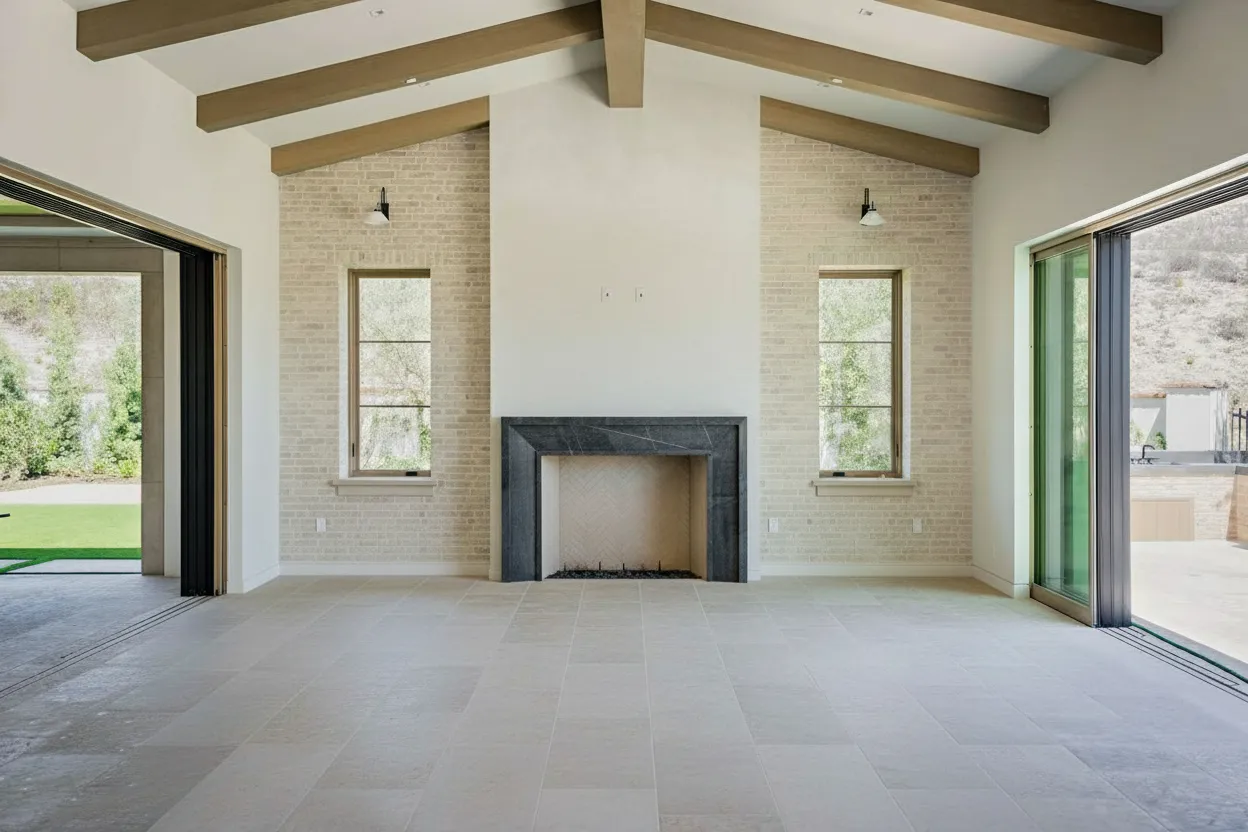
So, what’s the real price tag for furnishing an apartment? That’s the million-dollar question, isn’t it? The honest answer is… it depends. Think of it less like a fixed price and more like a financial roadmap where your style and quality choices steer the final cost. For a standard one-bedroom, a realistic budget can start around $8,000 for the basics and climb past $25,000 if you’re eyeing high-end pieces.
The Real Cost of Furnishing Your Apartment

Before you fall in love with that perfect sofa, let’s set a realistic baseline. The final tally for furnishing your space is a moving target, heavily influenced by three big things: the size of your apartment, the quality of the items you select, and of course, your personal taste. Turning an empty apartment into a home is a serious investment, and it’s one that echoes broader economic shifts.
For a typical apartment, you could be looking at a total spend anywhere between $15,000 and $40,000. This is a huge market—in fact, spending on home furnishings and floor coverings is projected to jump from $132.51 billion in 2025 to $140.86 billion in 2026. Even in the hotel world, which is a great benchmark for short-term rental hosts, rising operational costs can cause property owners to pump the brakes on new furniture purchases. It’s fascinating to explore the key furniture industry trends and see how they ripple down to individual buyers like us.
Let’s break down what those numbers might actually look like for you.
A Quick Look at Average Costs
Furnishing your apartment is a lot like buying a car. You can go for the practical, budget-friendly sedan, a dependable mid-range SUV, or you can splurge on the luxury sports car. All of them will get you from point A to B, but the price tag, comfort, and experience will be completely different.
To give you a clearer idea, here’s a breakdown of what you might expect to spend based on your apartment’s size and the quality tier you’re aiming for.
Estimated Apartment Furnishing Costs by Size and Tier (2026)
This table offers a snapshot of the estimated total cost to furnish different apartment sizes, categorized by budget-friendly, mid-range, and high-end quality levels.
| Apartment Size | Budget-Friendly | Mid-Range Quality | High-End Luxury |
|---|---|---|---|
| Studio Apartment | $5,000+ | $12,000+ | $20,000+ |
| One-Bedroom | $8,000+ | $18,000+ | $30,000+ |
| Two-Bedroom | $12,000+ | $25,000+ | $45,000+ |
As you can see, the numbers can vary dramatically. A studio apartment can be outfitted for as little as $5,000 if you’re thrifty, or it can easily hit $20,000 for a more luxurious feel. For a one-bedroom, a basic setup hovers around $8,000, while a premium approach can push you past $30,000. And for a two-bedroom, the starting line is about $12,000 for essentials, but a top-tier furnishing project can soar above $45,000. These figures provide a solid starting point for building your own budget.
How Global Market Trends Affect Your Wallet
That new sofa you’re eyeing didn’t just appear in the showroom. Its price tag is the final chapter of a long story, one that starts thousands of miles away and is shaped by massive economic forces. To really get a handle on how much it costs to furnish an apartment, we need to zoom out and look at the big picture: the global furniture market.
Think of it like your morning coffee. The price of that latte is a mix of weather in Brazil, the availability of shipping containers, and global demand. The cost of your dining table is no different—it’s tied to a surprisingly complex international supply chain.
The Global Supply Chain and Your Budget
When you buy a piece of furniture, you’re plugging into a colossal industry. The global furniture market was valued at an incredible $597.71 billion in 2025 and is expected to climb to $629.15 billion in 2026. A massive chunk of that pie, almost half at 49.06%, comes from the Asia Pacific region, which is the manufacturing powerhouse for much of the world’s furniture. These powerful global furniture market dynamics are what ultimately shape what you pay.
This means events happening on the other side of the planet have a direct impact on your budget. Here’s a quick breakdown:
- Manufacturing Costs: The cost of labor and running factories in major production centers like China and Vietnam sets the initial price for millions of items.
- Raw Material Prices: If the price of lumber, steel, or textiles spikes because of high demand or scarcity, the cost of that wooden bed frame or metal-legged coffee table will inevitably go up, too.
- Shipping and Logistics: Furniture is big, bulky, and expensive to move around the globe. Any change in fuel prices, congestion at ports, or international freight fees adds a hefty percentage to the final price tag you see in the store.
Think of it this way: The journey from a factory in Asia to your living room involves multiple steps, and each one adds to the cost. From the person who cut the wood to the driver who delivers it to your door, everyone’s work is baked into that final price.
From Global Market to Local Store
So, how does a $629 billion global market end up determining the price of your armchair? When a retailer in the U.S. (a market projected to hit $145.79 billion by 2026) imports a container full of sofas, they’ve already fronted the costs for manufacturing, materials, and international shipping.
On top of that, they have to factor in their own expenses—things like store rent, employee salaries, and marketing—plus a margin to make a profit. This entire chain reaction is why a seemingly simple piece of furniture can have a surprisingly high price.
Knowing about these background forces takes the mystery out of the cost of furnishing an apartment. It helps you budget more realistically, because you understand that the price is more than just wood and fabric; it’s a reflection of a worldwide economic engine.
Your Itemized Budget From Living Room to Bedroom
So, how much does it really cost to furnish an apartment? Instead of looking at one intimidating total, let’s build a budget from the ground up, one room at a time. It’s a lot less overwhelming when you break it down piece by piece.
Think of it like you’re going grocery shopping. You grab the essentials first—the things you can’t live without—before even looking at the nice-to-haves. For your apartment, that means prioritizing the core furniture for sleeping, sitting, and storage. The decorative touches can wait.
The Living Room: An Anchor for Your Budget
The living room is usually the most expensive space to furnish, and for good reason. It’s the social heart of your home where you’ll spend a ton of time relaxing and hosting friends. Expect to set aside a good chunk of your total budget here—typically 20-30% of your overall spend.
This is where you can see some serious consumer spending. Americans recently dropped a staggering $65.63 billion on living room furniture alone. For a typical apartment, getting this room set up with a sofa, coffee table, TV stand, and rug will generally run you somewhere between $5,000 and $15,000. That’s a wide range, but it all comes down to the quality and brands you choose.
Here’s a quick look at what you can expect to pay for essential living room items:
- Seating (Sofa or Sectional): $1,800 - $2,600+
- Tables (Coffee and Side Tables): $200 - $450
- Storage (TV Stand/Media Unit): $500 - $1,250
- Lighting (Floor or Table Lamps): $180 - $400
These prices are for new, decent-quality pieces that are built to last. If you’re wondering where to start your search, our ultimate guide to online furniture stores is a great resource with a curated list of retailers.
The Bedroom: Your Personal Retreat
Next up is the bedroom, your private sanctuary. It doesn’t have as many moving parts as the living room, but the focus here is all about comfort and rest. Your bed and mattress are, without a doubt, the most important investments you’ll make for your own well-being.
A good night’s sleep is priceless, making your mattress one of the most important purchases for your new home. Don’t be afraid to allocate a healthy part of your budget here—it’s an investment in your health.
Here’s what the costs look like for bedroom essentials:
- Bed Frame (Queen): $600 - $900
- Mattress (Queen): $450 - $1,200
- Nightstands: $180 - $330 each
- Dresser: $500 - $800
It’s also helpful to understand the bigger picture. The prices you see in stores are heavily influenced by the global furniture market, which is massive.

The global market has reached $629 billion, with Asia manufacturing nearly half of all furniture. The U.S. market alone is valued at $146 billion. These huge numbers tell a story about a complex international supply chain, from factories in Asia all the way to your local showroom. Knowing this helps explain why prices are what they are and can help you budget more effectively.
To give you a clearer idea of how these numbers add up, here’s an example budget that covers all the basics for a standard one-bedroom apartment, with estimates for budget-friendly, mid-range, and high-end options.
Sample Itemized Budget for a One-Bedroom Apartment
| Room/Item | Budget Estimate | Mid-Range Estimate | High-End Estimate |
|---|---|---|---|
| Living Room | |||
| Sofa | $500 | $1,500 | $3,000+ |
| Coffee Table | $100 | $300 | $700+ |
| TV Stand | $150 | $500 | $1,200+ |
| Rug (8x10) | $200 | $600 | $1,500+ |
| Bedroom | |||
| Bed Frame (Queen) | $250 | $600 | $1,500+ |
| Mattress (Queen) | $400 | $1,000 | $2,000+ |
| Dresser | $300 | $700 | $1,500+ |
| Nightstands (x2) | $150 | $400 | $800+ |
| Kitchen/Dining | |||
| Dining Table | $200 | $500 | $1,200+ |
| Dining Chairs (x4) | $200 | $600 | $1,200+ |
| Total | $2,450 | $6,700 | $14,600+ |
Keep in mind, these figures are just a starting point. Your final costs will depend entirely on your personal style, the brands you choose, and where you shop. This table simply illustrates how quickly expenses can add up across different quality tiers.
What Really Drives Your Furnishing Costs?
When you’re trying to figure out how much it costs to furnish an apartment, it’s easy to focus on individual price tags. But the real story of your final bill is told by a few key decisions you’ll make along the way. These are the variables that can either stretch your budget to its limit or leave you with cash to spare.
The most straightforward factor is your apartment size. It’s simple math: a sprawling two-bedroom apartment needs more furniture—and often bigger pieces, like a large sectional—than a compact studio. Before you even think about shopping, it’s a smart move to map everything out. Using a floor plan to visualize where each piece will go can give you a crystal-clear idea of what you actually need. We walk through exactly how to do this in our guide on using Floorplanner.
Quality and Brand Names
Next up is the big one: furniture quality. You can think of it like buying clothes. A cheap, fast-fashion piece might look good for a season, but a well-made coat can last you for years. The same logic applies here. A particleboard bookcase might do the job for a little while, but a solid wood dresser is an investment that could last a decade or more. Materials like solid wood, genuine leather, and high-density foam will always have a higher upfront cost than their less durable alternatives.
Of course, brand names also play a huge role. Designer labels and well-known luxury brands charge a premium not just for the quality, but for their unique design and reputation. On the flip side, you can often find fantastic, stylish pieces from smaller, direct-to-consumer brands for a fraction of the price.
It’s the classic balancing act between price and longevity. My advice? Splurge on the items you use every day, like your mattress and sofa. You’ll thank yourself later. You can save money on things that are less critical, like side tables or decorative accents.
The Hidden Costs That Blindside Everyone
What really catches people off guard are the “hidden” costs—the expenses that aren’t printed on the price tag. If you don’t plan for them, these little extras can quickly derail your entire budget.
Always make sure to factor in these expenses:
- Delivery Fees: Most retailers will charge for delivery, and it’s not cheap. Expect to pay anywhere from $150 to $300 per store. If you have bulky items or live in a walk-up, that fee can climb even higher.
- Assembly Charges: That flat-pack dresser isn’t going to build itself. If you’d rather not spend your weekend with an Allen key and confusing instructions, hiring a handyperson can run you an extra $30-$50 per hour.
- Taxes: Don’t forget about sales tax! Depending on where you live, this can tack on an additional 5-10% to your total bill, which adds up fast.
By keeping these key drivers in mind—from the square footage of your apartment to all those sneaky fees—you can build a much more realistic budget. This way, you can furnish your space without any unwelcome financial surprises.
Smart Strategies to Furnish Without Breaking the Bank
Knowing how much it costs to furnish an apartment is one half of the equation. The other, more powerful half, is knowing how to shrink that number. With a little creativity and savvy thinking, you can pull together a stunning, inviting home without liquidating your savings. It’s not about finding the absolute cheapest version of everything; it’s about making smart choices about where your money goes.
First, let go of the pressure to furnish your entire space overnight with brand-new pieces. Think of it as a marathon, not a sprint. This patient approach opens the door to amazing deals, gives you time to save for that one perfect item, and helps you avoid those late-night impulse buys you’ll end up regretting.
Mastering the Art of Savvy Shopping
Your greatest weapon in the fight against high costs is the secondhand market. Seriously. Online hubs like Facebook Marketplace and Craigslist are absolute treasure troves for high-quality, pre-loved furniture at a mere fraction of what they cost new. People are always moving or redecorating, which means you can snag nearly new pieces from well-known brands if you’re persistent.
But don’t stop there. Some of the best finds are hiding in plain sight:
- Habitat for Humanity ReStore: These non-profit stores are a goldmine. They sell donated furniture, appliances, and home goods, and you can find incredible deals on solid wood dressers, dining tables, and even sofas, which often go for just $95 to $225.
- Consignment and Antique Shops: The word “antique” can sound expensive, but don’t be fooled. These shops are fantastic for finding unique, beautifully crafted items with a story—the kind of character you’ll never get from a flat-pack box.
- Local Buy Nothing Groups: This is community sharing at its best. People in your neighborhood give away things they no longer need for free. It’s an amazing way to score everything from lamps to side tables while getting to know your neighbors.
Timing is also everything. If you can wait, major holiday weekends like Memorial Day, Labor Day, and Black Friday are prime time for sales on big-ticket items. Retailers also tend to clear out old stock in the spring and fall to make way for new collections, which means deep discounts for you.
The “High-Low” Trick: This is a go-to strategy for interior designers. You splurge on one or two high-impact, high-use “hero” pieces—like a fantastic sofa or a high-quality mattress. Then, you go “low” on the supporting cast: side tables, lamps, and decor. This clever mix creates a sophisticated, expensive look for a lot less.
Is Renting Furniture a Good Option?
Renting furniture is another path to consider, especially if your living situation is temporary. If you’re on a one-year work assignment or just testing out a new city, renting can save you from the massive headache of buying, moving, and eventually trying to sell your stuff.
That said, the math only works for the short term. If you plan on staying put for more than a year or two, the cumulative rental fees will quickly add up to more than the cost of buying outright. It’s a classic trade-off: convenience now versus cost over time.
Ultimately, furnishing an apartment on a budget is a puzzle, and the fun is in finding creative ways to put the pieces together. By mixing a few key splurges with secondhand treasures and DIY projects, you can create a home that feels uniquely you—and financially sound. If you’re wrestling with a tight layout, our guide to creative small living room ideas has even more inspiration to get you started.
Virtual Staging: A Smarter, Cheaper Way to Furnish

When you’re a real estate agent, landlord, or property manager, the question of how much it costs to furnish an apartment isn’t about personal comfort. It’s all about marketing. Your goal is to help potential buyers or renters see the potential in an empty space, and that has traditionally meant physical staging—a process famous for being a logistical and financial nightmare.
Physical staging means renting furniture, hiring movers, paying designers, and tying up a property for weeks. All told, this can easily drain thousands of dollars from your budget, cutting directly into your bottom line. But what if you could get the same—or even better—results for a tiny fraction of that cost? That’s where virtual staging comes in.
The Digital Edge Over Traditional Staging
Virtual staging takes your photos of an empty apartment and digitally adds beautiful, realistic furniture and decor. It’s like having an entire interior design firm and a massive furniture warehouse at your fingertips, ready to go with just a few clicks. This completely sidesteps all the major costs that make physical staging so expensive.
Just think about the expenses you can wave goodbye to:
- Furniture Rental Fees: No more shelling out hundreds or thousands each month for rented sofas and beds.
- Mover and Labor Costs: Forget paying crews to haul heavy furniture in and out of the property.
- Designer Consultation Fees: You become the designer, trying out different styles instantly.
- Time and Opportunity Costs: Instead of waiting weeks, you can have stunning, market-ready photos in just hours or even minutes.
Simply put, virtual staging swaps expensive physical logistics for incredible digital efficiency. It lets you show a property’s true potential to a wider audience of buyers or renters, all without ever lifting a single box.
How AI Makes It All Possible
Platforms like BrightShot have made this process shockingly easy. You just upload a picture of a vacant room, and the AI technology gets to work, filling it with stylish, perfectly-scaled furniture. You can instantly toggle between looks—from sleek modern minimalist to cozy farmhouse—to find the perfect vibe for your target audience.
The cost difference is staggering. While physically staging an apartment can set you back anywhere from $2,000 to $10,000+, virtual staging often comes in at less than $50 per image. This isn’t just a small saving; it’s a game-changer. It means you can afford to professionally market every single listing, not just your high-end ones.
If you want to see a more detailed breakdown of the numbers, check out our complete guide on virtual staging costs and pricing. This approach helps you create powerful, inviting images that get people to truly imagine their life in the space, which is the key to closing deals and filling vacancies faster.
Common Questions About Furnishing an Apartment
As you start crunching the numbers, a few common questions always seem to come up. Let’s get those answered so you can move forward with your budget and feel good about your plan.
How Much Should I Set Aside for Decor?
A good rule of thumb is to dedicate 10-15% of your total furniture budget to decor. This is the fun stuff! We’re talking about all the items that bring a space to life: the lamps, the artwork, the rugs, and the throw pillows that really make an apartment feel like your own.
Should I Rent or Buy My Furniture?
The real answer here boils down to your timeline. If you know you’re only staying for a short period—say, a six-month lease or a temporary job assignment—renting is a smart financial move. But if you see yourself staying put for more than a year, buying is almost always the better long-term investment.
It’s easy to forget that rental fees add up. Over two years, you could easily pay more to rent your furniture than it would have cost to just buy it outright.
How Do I Furnish a Short-Term Rental Property?
If you’re a landlord or property manager outfitting a short-term rental, your mindset needs to shift. Your top priorities should be durability and a neutral, welcoming style that appeals to a wide variety of people. This means investing in sturdy, high-quality essentials like beds and sofas that can handle the wear and tear of many different guests.
Also, don’t forget the power of virtual staging for your online listings. It lets you digitally showcase the property in different styles—from minimalist modern to cozy traditional—to attract a broader pool of renters. It’s a fantastic way to stay flexible and competitive without committing to one specific look.