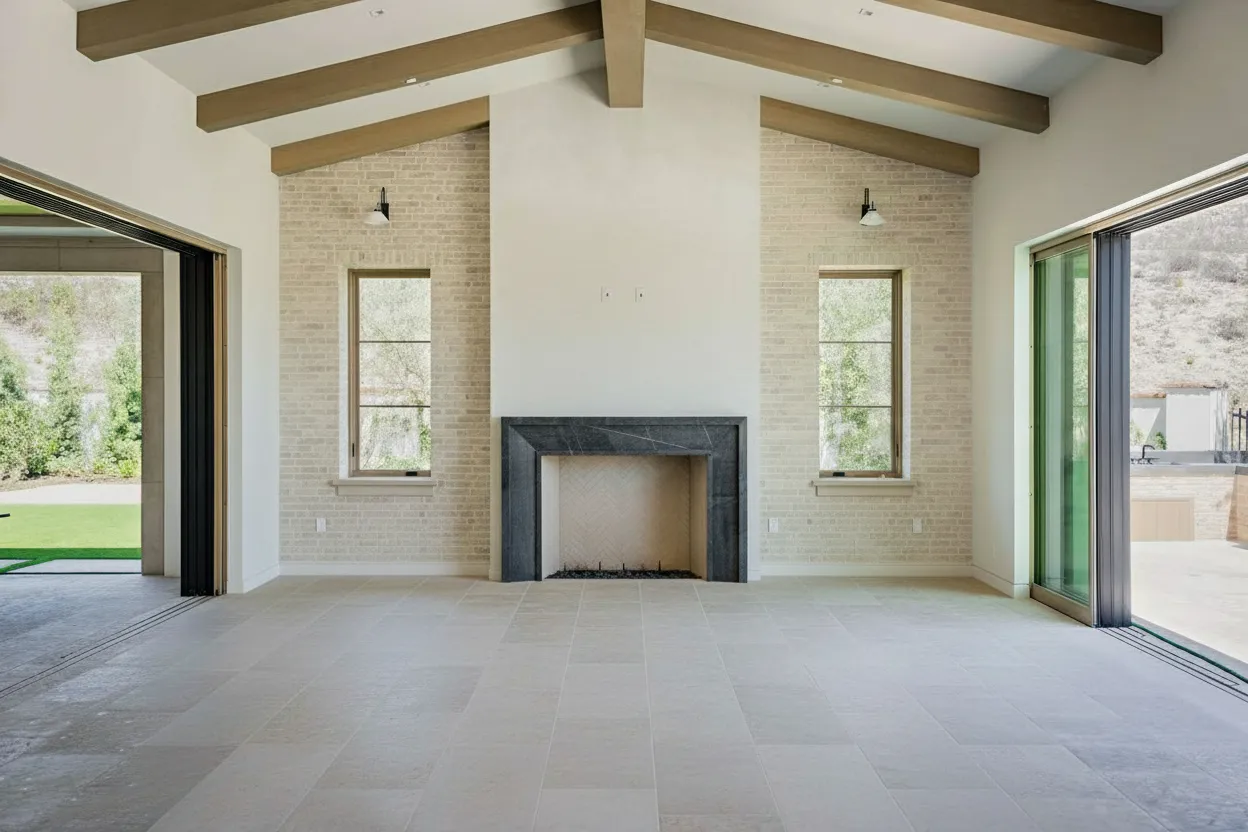
Staging a bedroom is about so much more than just tidying up. It’s a powerful sales strategy that builds an emotional bridge between a potential buyer and the property. When you stage a bedroom effectively, you’re not just showing four walls; you’re helping people see a future for themselves, a personal sanctuary. It’s one of the most impactful tips for home sellers who want to sell faster and for a better price.
Why Staging a Bedroom Is Your Secret Weapon

Let’s get real for a moment. People don’t buy houses based on logic alone—they buy based on feeling. When a buyer walks into a bedroom, they’re instinctively asking themselves, “Could I wake up here every morning? Does this feel like my retreat from the world?”
A thoughtfully staged bedroom is your best tool for getting them to answer with a resounding “Yes!” This is where psychology meets design. By creating a space that feels serene, organized, and genuinely inviting, you help buyers stop seeing an empty room and start picturing their life unfolding within it.
The Data Behind the Decor
This isn’t just a hunch; it’s a strategy backed by hard numbers. The National Association of Realtors (NAR) found that 43% of buyers view the master bedroom as a top staging priority, right behind the living room.
In a market where a staggering 82% of buyers’ agents say staging helps clients visualize a property as their own home, you can’t afford to neglect the bedroom—especially when online photos are their first point of contact.
A buyer’s decision is often made on emotion and justified with logic later. Staging a bedroom targets that emotional core, making them fall in love with the idea of living in your home before they even consider the numbers.
Staging Showdown: Physical vs. Virtual
When it comes to bringing that vision to life, you have two main options: physical staging and virtual staging. Deciding which one is right for you depends on your budget, timeline, and the property itself.
Here’s a quick comparison to help you weigh your options:
| Aspect | Physical Staging | Virtual Staging (with AI) |
|---|---|---|
| Cost | $1,500 – $5,000+ per month | $25 – $100 per photo |
| Timeline | 1-2 weeks (coordination & setup) | 24-48 hours |
| Best For | In-person tours, high-end properties | Online listings, vacant or dated rooms |
| Flexibility | Low (locked into one style) | High (easily swap styles/furniture) |
| Impact | High for in-person “wow” factor | High for online curb appeal |
Both physical and virtual staging have their place. Traditional physical staging uses real furniture and decor, which is fantastic for in-person viewings where buyers can tangibly experience the space. It’s a classic for a reason.
On the other hand, virtual staging is a game-changer for the digital age. It uses technology to add stylish, realistic furniture to photos of empty or outdated rooms. This is the perfect solution for creating incredible online listings on a tight budget and short timeline, showing a room’s true potential without lifting a single box.
While this guide focuses on the bedroom, applying these principles property-wide is crucial. For a complete overview, be sure to read our comprehensive guide on how to stage a home.
Laying the Groundwork: Declutter, Deep Clean, and Depersonalize

Before you think about paint colors or fluffy new pillows, we need to talk about the prep work. In my experience, this is the part everyone wants to skip, but it’s what separates a beautifully staged room from one that just looks… tidy. Getting this foundation right is everything.
Think of the bedroom as a blank canvas. To create a space that buyers fall in love with, you first have to clear away all the noise. This boils down to three essential tasks: decluttering, deep cleaning, and depersonalizing.
The Art of Strategic Decluttering
This isn’t your average spring clean. When you’re staging to sell, you need to be ruthless. The goal is to make the room feel as spacious and open as possible. To do that, you should aim to remove 30% to 50% of the room’s contents. It sounds like a lot, but the impact is incredible.
A simple way to tackle this is the four-box method. Get four boxes (or just designate four corners of the room) and label them: Keep, Store, Donate/Sell, and Trash. As you touch every single item, make a quick, decisive choice. That oversized armchair you love? If it makes the room feel cramped, it needs to go into storage for now.
You’re no longer just living in your home; you’re merchandising a product. Buyers need to see the room’s features—the space, the light, the storage—not your personal belongings.
Pay special attention to closets. Buyers will open them. A closet packed to the gills screams “not enough storage!” Aim to have your closets no more than 50% full. This creates an impression of abundant space, which is a huge selling point. For a more detailed game plan, we have a whole guide on how to declutter your home for a successful sale.
The Make-or-Break Deep Clean
With the clutter gone, it’s time to make the room sparkle. A truly deep clean sends a powerful message to buyers: this home is well-maintained and cared for. A spotless room simply feels brighter, more valuable, and moves in-ready.
This is a top-to-bottom job. You have to get into all the nooks and crannies that are easy to miss during a weekly clean but are immediately obvious to someone inspecting their potential new home.
Here’s your checklist for a buyer-ready clean:
- Windows and Coverings: Clean every window, inside and out, to let in maximum light. Launder or dust all curtains and blinds.
- Walls and Trim: Wipe down the walls and scrub the baseboards. You’d be amazed how much dust and scuff marks they collect.
- Fixtures and Fans: Polish every light fixture, dust the ceiling fan blades, and wipe down all switch plates and outlets.
- Floors and Grout: Get carpets professionally cleaned—it’s worth it. For wood or tile, make sure they are polished and that grout lines are scrubbed clean.
A buyer might not consciously notice that you cleaned the baseboards, but they will absolutely notice the overall feeling of a meticulously clean space.
Creating a Blank Slate: Depersonalize Everything
This can be the toughest step, but it’s absolutely critical. You need to remove you from the room so that potential buyers can mentally move in. When people see your family photos or personal mementos, it reminds them they’re in a stranger’s house.
Pack away all the personal items:
- Family photos
- Children’s artwork
- Trophies and awards
- Personal collections or memorabilia
Keep surfaces on nightstands and dressers nearly empty. A lamp, a book, and maybe a small decorative object are plenty. This minimalist approach creates a sense of calm and order, which is exactly the feeling you want to sell in a master bedroom—a peaceful retreat.
Mastering Physical Staging: Layout, Light, and Linens
Okay, the deep clean and decluttering are done. Now comes the fun part—where we transform that clean slate into a space that buyers or renters fall in love with. This is all about the hands-on work of arranging furniture, playing with light, and adding those luxe finishing touches that create an emotional connection.
Don’t underestimate the power of a well-staged bedroom. It’s not just about making things look pretty; it’s a core sales strategy. When 77% of buyer’s agents report that staging makes it easier for clients to visualize a property as their future home, you know it’s a critical step. In fact, the master bedroom is a huge deciding factor for 43% of buyers, and with 82% of U.S. buyers relying heavily on photos, what you do here really counts.
Crafting the Perfect Furniture Layout
Your first, and arguably most important, job is getting the furniture layout right. A clumsy arrangement can make even a large room feel cramped and awkward. The goal is simple: create a clear, intuitive flow that makes it easy to walk around.
The biggest mistake I see people make is shoving every piece of furniture against the walls. It seems logical, but it actually makes a room feel static and a bit boring. Try pulling furniture even a few inches away from the walls. It’s a small tweak that instantly creates a sense of airiness and a more professionally designed look.
Pro Tip: Remember, you’re highlighting the room’s features, not showing off all your furniture. If a piece feels clunky or unnecessary, get it out of there. Less is always more in staging.
Anchor the Room with the Bed
The bed is the undeniable star of the show. Your first move should always be deciding where it goes, as every other piece will work around it. The best spot is almost always against the main, solid wall you see when you walk into the room—this creates an immediate and powerful focal point.
- Symmetry is Your Friend: Flank the bed with two matching nightstands and lamps. This simple arrangement is incredibly pleasing to the eye and creates a feeling of calm and order.
- Get the Scale Right: Make sure your nightstands are a good height and size relative to the bed—not towering over it or comically small. The same goes for the bed itself. A massive king bed might look luxurious, but if it swallows a smaller room, it will backfire. You need at least 24-30 inches of walking space on either side.
If you’re dealing with an awkward layout—maybe one with lots of doors or weird window placements—you may have to think outside the box. Just be sure the bed isn’t blocking a major walkway or a beautiful view.
The Art of Layered Lighting
Lighting is the secret ingredient that takes a room from just “fine” to truly special. A single, harsh overhead light is a stager’s worst nightmare, casting unflattering shadows and making the space feel flat. To create warmth and depth, you need to layer your lighting.
This technique simply means using three different types of light together:
- Ambient Light: This is the room’s main light source, typically a ceiling fixture. If yours is dated, swapping it for a modern, inexpensive flush-mount light is a quick upgrade with a huge impact.
- Task Light: These are focused lights for activities. A pair of matching lamps on the nightstands is perfect for this, adding to that symmetrical, hotel-like feel. If you have a reading chair, a stylish floor lamp next to it works wonders.
- Accent Light: This is the final, sophisticated layer. You could use a small spotlight to highlight a piece of art or tuck an uplight behind a plant to create soft, interesting shadows on the wall.
Always turn on all the lights before a showing, even in the middle of the day. This simple action makes the room feel as bright, airy, and welcoming as possible.
The Finishing Touch: Luxurious Linens
Finally, let’s talk about the element that truly sells the dream: the bedding. Nothing says “comfort” and “quality” like a beautifully dressed bed. You’re aiming for that plush, inviting “hotel look” that makes people imagine a fresh start in a peaceful retreat.
Start with crisp, all-white or light-neutral bedding. White looks clean, photographs incredibly well, and serves as a perfect blank canvas. From there, layer on the texture. A neatly folded duvet or quilt at the foot of the bed is a classic touch.
The pillow arrangement is where you can really seal the deal. For a queen bed, a great formula is two sleeping pillows, two larger shams, and one to three smaller decorative pillows in front. Don’t be afraid to mix textures like linen, velvet, or a chunky knit to add visual interest without using loud colors. To make your bed the ultimate focal point, you can find fantastic ideas for your overall bedroom bed decoration. This is the final touch that makes buyers want to dive right in.
The Brightshot Edge: Virtual Staging Done Right
What if you could get the perfect staged bedroom in just a few clicks, without lifting a single box or spending thousands on furniture rentals? This isn’t some far-off concept; it’s exactly what virtual staging offers today. It’s a lifesaver for vacant properties, homes with dated decor, or any room that just needs a little imagination.
Virtual staging digitally places beautiful, realistic furniture and decor into photos of empty rooms. Think of it as a bridge for a buyer’s imagination—it helps them see a welcoming home instead of just four empty walls. When you need to stage a bedroom quickly and effectively, this approach gives you incredible speed and control.
How It Works in the Real World
So, what does this process actually look like? With a platform like BrightShot, it’s surprisingly straightforward. The whole system is built for speed, turning a project that used to take a week into something you can knock out on your lunch break.
It all starts with a good photo. Just snap a high-resolution picture of the clean, empty bedroom and upload it to the platform. This is where you get to play interior designer. Instead of agonizing over which furniture style will attract buyers, you can instantly test-drive entire design collections.
For instance, BrightShot gives you over 80 different interior styles to choose from. You can see what the room looks like as a cozy ‘Modern Farmhouse’ and then, with a single click, transform it into a sleek ‘Scandinavian’ space. This lets you experiment and find the perfect vibe for your target audience.
Features That Make Your Listings Stand Out
Good virtual staging software does more than just plop a bed into a photo. It comes packed with smart features that solve common real-estate photography headaches on the spot. One of the most useful is AI-powered decluttering.
Let’s say the bedroom you photographed still has a few boxes or some old furniture left behind. No need for a reshoot. An AI tool can digitally erase those unwanted items, giving you a clean slate to work with before you even start staging.
Another game-changer is automatic lighting correction. Photos often suffer from bad lighting or harsh shadows, making a room feel dark and uninviting. The best platforms can analyze your image and instantly balance the light, creating a bright, natural-looking space that makes the final staged photo far more believable.
The goal of staging isn’t just to fill a room; it’s to sell a lifestyle. Virtual staging lets you do this instantly, testing different aesthetics to find the one that best communicates comfort, style, and possibility to potential buyers.
Once you’ve picked a style, the AI generates a photorealistic, MLS-compliant image in seconds. You get a stunning photo that’s ready to grab the attention of the 97% of homebuyers who begin their search online.
This graphic breaks down the core principles we follow in both physical and virtual staging to create a space that truly appeals to buyers.

Whether you’re working with real furniture or digital assets, this workflow—layout, light, and linens—is key. Virtual staging simply makes iterating through it incredibly fast.
The Clear Advantages of Going Digital
For any agent, host, or seller trying to stay competitive, the benefits are impossible to ignore. It really comes down to three things: saving money, moving faster, and having more options.
- Cost-Effectiveness: Physically staging a home can run you thousands of dollars a month. Virtual staging costs just a tiny fraction of that for each image, putting more money back into your marketing budget.
- Unbeatable Speed: Forget waiting weeks for furniture deliveries and setup. You can have a professionally staged bedroom photo ready for your listing in minutes, getting your property in front of buyers that much faster.
- Endless Flexibility: What if that modern look isn’t getting enough clicks? Swap it for a traditional style with a single click. This lets you adapt your marketing on the fly without any extra cost or physical work.
Ready to see how this can work for your listings? You can dive deeper into BrightShot’s powerful virtual staging features and see the technology for yourself.
At the end of the day, virtual staging lets you present every single room in its absolute best light. It removes the old barriers of high costs and long timelines, making professional-grade staging accessible to anyone. By showing a room’s true potential, you’ll attract more eyeballs and help buyers envision their future home.
Photographing Your Staged Bedroom for Listings

You’ve done the hard work of decluttering, cleaning, and styling. Now comes the moment that makes or breaks all that effort: the photoshoot. Your listing photos are the digital handshake for the property, and you have mere seconds to grab a buyer’s attention before they keep scrolling.
Great photography doesn’t just show a room; it sells a feeling. The right shots can make a bedroom feel spacious, bright, and serene, while bad ones can make even a perfectly staged space look small and unappealing. The goal is to translate that in-person “wow” factor into a 2D image that stops people mid-scroll.
Essential Shooting Techniques
You don’t need a top-of-the-line camera to get fantastic results, but you do need to understand a few core techniques that professionals rely on.
Your go-to spot for shooting should almost always be a corner. This angle naturally captures more of the room, creating a sense of depth that makes the space feel larger. Shooting straight-on from a doorway tends to flatten the image and make the bedroom feel cramped. A corner shot, on the other hand, creates leading lines with the walls and furniture that draw a viewer’s eye right into the scene.
Camera height is another critical detail. A classic rookie mistake is shooting from your own eye level, which distorts furniture and throws the room’s proportions off. The sweet spot is usually around chest height, or about 40-50 inches from the floor. This perspective feels more grounded and, most importantly, keeps your vertical lines straight.
Pro Tip: Flip on every single light in the room, even if it’s a bright sunny day. The layered light from lamps and overhead fixtures casts a warm, inviting glow that sunlight alone can’t replicate. Then, open all the blinds to max out the natural light.
Avoiding Common Photo Mistakes
Knowing what not to do is just as important. A couple of simple errors can completely undermine your beautiful staging work.
The most common culprit is misusing a wide-angle lens. While it’s tempting to use one to make a room look bigger, pushing it too far creates a distorted “funhouse” effect. The edges of the frame will bend, and furniture will look strangely stretched. Stick to a moderate wide-angle view that captures the space without making it look fake.
Also, obsess over your vertical lines. The edges of walls, doors, and windows should be perfectly straight, not leaning in or out. Tilted lines are a dead giveaway of amateur photos and instantly make a listing feel less professional. Most modern phone cameras and editing apps have simple tools to straighten these lines with a tap.
Writing Compelling Captions and Disclosures
The photo is the hook, but the caption tells the story. Don’t just state the obvious with “Master bedroom with walk-in closet.” Instead, paint a picture that highlights a key feature.
- Example Caption: “Wake up to beautiful morning light in this serene primary suite, offering a peaceful retreat from the everyday.”
This simple shift adds an emotional connection to the image.
Finally, if any of your photos are virtually staged, you absolutely must disclose it. Most Multiple Listing Services (MLS) have strict rules about this. A simple, clear statement like “Photo is virtually staged” on the image or in the description is all it takes to maintain transparency and build trust.
For a deeper dive into the technical side of your camera, our guide on real estate photography camera settings is a great next step.
Answering Your Top Bedroom Staging Questions
Even with the best plan, you’re bound to have a few questions when it’s time to stage a bedroom. Getting the final details right is often what separates a listing that gets crickets from one that has buyers lining up. Let’s clear up some of the most common things people ask so you can move forward with confidence.
How Much Is This Actually Going to Cost?
This is always the first question, and honestly, the answer varies wildly. The cost really comes down to the path you choose.
- The DIY Route: This is your most budget-friendly option, running anywhere from $0 to $500. If you’re just cleaning and decluttering, it might cost you nothing but your time. The budget usually goes toward small things that make a big impact, like crisp new bedding, a can of paint for an accent wall, or a few well-chosen decor items.
- Hiring a Pro (Physical Staging): Bringing in a professional stager with their own inventory of furniture and accessories is the premium choice. For just one bedroom, you can expect to pay $500 to $2,000+ for the design, delivery, and initial setup, plus an ongoing monthly rental fee for the furniture.
- Virtual Staging: This has become a fantastic middle-ground solution. A single, high-quality virtually staged bedroom photo will typically run you between $25 and $100. It’s a one-time fee that gives you a jaw-dropping image for your online listing without the logistical headache or cost of physical furniture.
Remember, staging isn’t just a cost—it’s an investment. The National Association of Realtors found that 20% of agents believe staging can boost a home’s sale price by up to 10%. On a $400,000 home, that’s a potential $40,000 return on your effort.
Can I Stage a Room I’m Still Living In?
You absolutely can. We call this “occupied staging,” and it’s incredibly common. The trick is to strike a balance between your daily life and keeping the space constantly show-ready. This is where all that decluttering and depersonalizing we talked about becomes non-negotiable.
Think of your goal as turning the room into a beautiful hotel suite—it’s clean and inviting, but still looks lived-in. This means making the bed perfectly every single morning and keeping every surface clear.
My best tip? Get a large, attractive basket you can use as a “hide-it-all” bin. Before a showing, you can do a quick sweep and toss in your phone charger, the remote, that book you’re halfway through, and any other daily clutter. It’s a little extra work, but it makes selling while you’re still in the home totally manageable.
What Are the Biggest Staging Mistakes to Avoid?
I’ve seen a few common missteps sink an otherwise well-staged room. Avoiding these is just as critical as getting the other things right.
1. Using Decor That’s Too Bold or Personal: You might adore your vibrant art collection or quirky pillows, but buyers need to be able to picture themselves in the space. Your goal is to create a neutral, aspirational canvas. Stick with a calm, sophisticated color palette and simple, elegant accessories.
2. Bad or Inconsistent Lighting: Nothing makes a room feel smaller or less inviting than poor lighting. Relying on a single, harsh overhead fixture is a classic mistake. Always layer your lighting with table lamps or a floor lamp, and check that every single bulb has the same warm color temperature. A burned-out bulb during a showing is a major no-no.
3. Getting the Scale Wrong: I see this all the time. A massive, king-sized bed crammed into a small bedroom doesn’t feel luxurious; it just feels tight. On the flip side, putting tiny furniture in a large primary suite can make the room feel empty and awkward. Always choose furniture that fits the room’s proportions and leaves at least 24-30 inches for clear walkways.
Is Virtual Staging as Good as Physical Staging?
That’s a great question. It’s less about one being “better” and more about which tool is right for the job.
There’s no denying the “wow” factor of walking into a beautifully staged room during an in-person tour. Buyers can feel the textures and truly experience the space.
But here’s the thing: today, the first showing almost always happens online. With over 95% of buyers starting their home search on the internet, your listing photos are your make-or-break moment. Virtual staging gives you a perfect, idealized image to grab that online attention and convince buyers to book a tour. It’s faster, significantly cheaper, and lets you showcase a room’s full potential without moving a single box. For a vacant home, it’s an absolute game-changer.
Ultimately, both are powerful strategies. The right choice really hinges on your budget, timeline, and whether you need to make your biggest splash online or in person.
Ready to create stunning, listing-ready visuals in seconds? BrightShot gives you the power of AI virtual staging, decluttering, and photo enhancement with a single click. Transform your empty rooms into beautifully staged spaces that attract more buyers and sell faster. Try BrightShot for free and see the difference it can make for your properties.