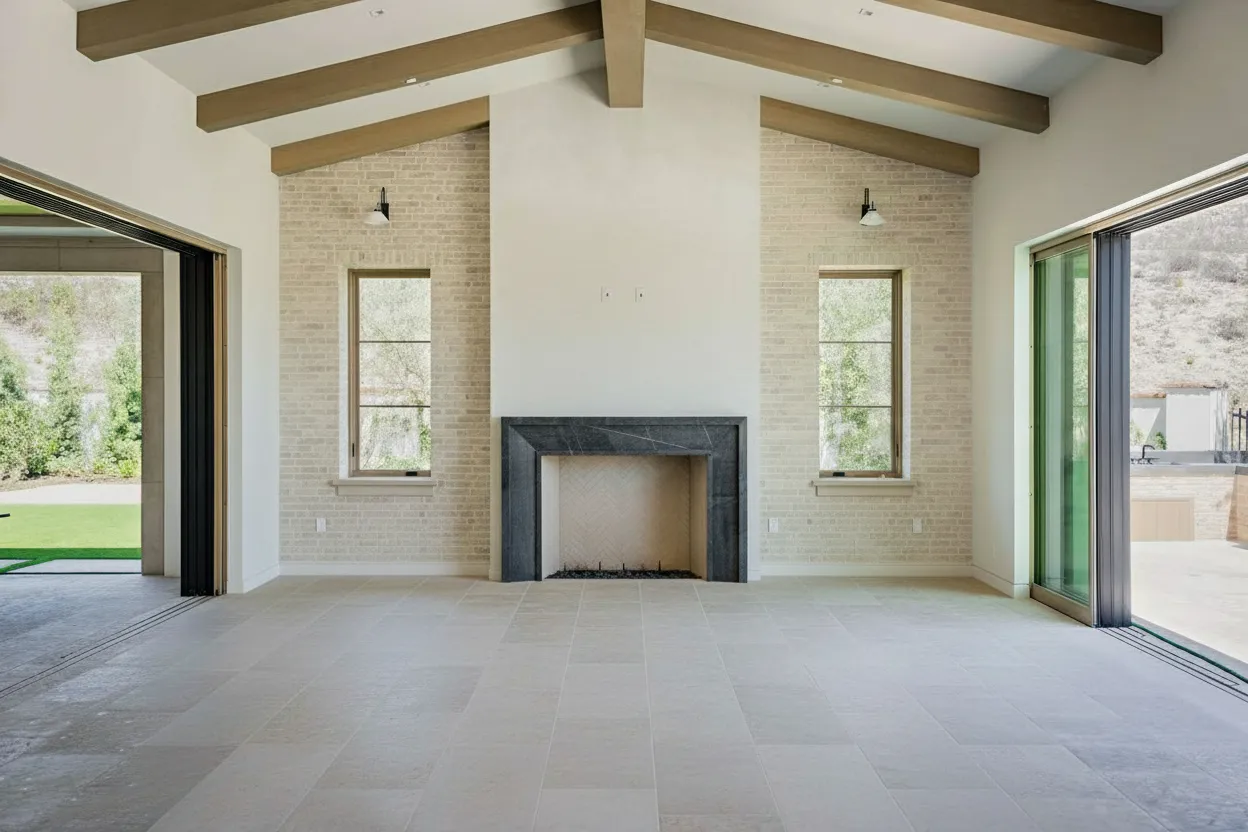
Your property description is your first—and often, your only—shot at turning a casual scroller into a serious buyer. It’s so much more than a simple list of features. A truly great description tells the story of the home, forging an emotional connection that convinces buyers to pick up the phone and book a showing.
Think of it as the vital bridge connecting your stunning photos to a signed contract.
Go Beyond Features To Tell A Home’s Story

Most property descriptions are, frankly, forgettable. They just rattle off the specs: “3 bed, 2 bath, 1,800 sq ft.” While factually correct, this approach completely misses the mark. It describes a building, not a home. The most successful agents know that an effective description moves past the bullet points and into the art of storytelling.
This is your chance to help a buyer see themselves living in the space. The goal isn’t just to inform; it’s to make them feel something. By zeroing in on what makes a property special, you can craft a narrative that truly resonates.
The Power of Narrative-Driven Copy
Instead of just being a salesperson, you need to be a storyteller. A narrative-driven description allows a buyer to project their own life onto the property. That “large backyard” suddenly becomes the setting for summer barbecues and kids’ birthday parties. A “bonus room” isn’t just extra square footage; it’s their future home office, a quiet yoga studio, or a playroom bursting with laughter.
This shift in perspective is a proven sales tactic. It builds a bond that facts and figures simply can’t. In a crowded market, a compelling description paired with professional photos is a game-changer. Listings with this one-two punch can see 61% more viewings and sell 32% faster.
A great real estate description doesn’t sell a house; it sells a future. It invites the buyer to step into a new life, painting a picture so vivid they can’t help but want to experience it firsthand.
The Core Elements Of A High-Converting Property Description
So, how do you actually write one of these compelling descriptions? It comes down to a reliable framework. Every high-converting listing I’ve seen is built on a few essential components that work in tandem to grab attention and spur action.
Here’s a quick look at the core elements that make a property description truly work.
| Component | What It Does | Quick Example |
|---|---|---|
| The Hook | Grabs attention in the first sentence, making the reader want to know more. | ”Escape the city buzz in this serene, sun-drenched oasis just minutes from downtown.” |
| The Story | Uses sensory details and benefit-focused language to paint a picture of life in the home. | ”Picture yourself hosting friends on the expansive deck as the sun sets over the trees…” |
| The Details | Lists the key features (beds, baths, square footage, upgrades) concisely. | ”Featuring 4 bedrooms, 3 updated baths, a chef’s kitchen with quartz countertops…” |
| The Call to Action | Tells the buyer exactly what to do next with a sense of urgency. | ”This gem won’t last long—schedule your private tour today!” |
Mastering these pieces helps you move beyond basic listings and create powerful marketing tools. This approach is even more effective when you’ve invested in professional visuals and thoughtful home staging, creating an irresistible package for potential buyers.
Tell a Story That Sells a Lifestyle, Not Just a House

The best property descriptions do more than just list features—they sell a feeling. Your first task is to step back from the spec sheet and figure out the home’s personality. Is it a “serene urban retreat” or a “vibrant family hub”? Pinpointing this core identity is how you start writing copy that actually connects with buyers.
Once you know the vibe, you can build a story around it. This isn’t about making things up; it’s about framing reality in a way that helps buyers see their future playing out in the space. You’re turning a sterile list of facts into an aspirational vision.
Think of it as translating cold data into warm, tangible benefits. A buyer isn’t moved by “3 beds, 2 baths.” But they will lean in for an “expansive primary suite for a peaceful escape, with two versatile bedrooms perfect for family, a home office, or a personal gym.” You’re helping them mentally move in, not just look at a floor plan.
Hook Them With an Irresistible Opening
That first sentence is everything. It has to grab a reader’s attention and spark some genuine curiosity, making them want to know more. Bland openers like “Welcome to this beautiful home” are a complete waste of prime real estate—they get lost in a sea of identical listings.
Instead, lead with the property’s single most compelling feature, but frame it as an experience.
-
Instead of: “This condo has a great view.”
-
Try: “Wake up to breathtaking panoramic city views from your private balcony in this stunning 25th-floor corner unit.”
-
Instead of: “The house has a newly renovated kitchen.”
-
Try: “Unleash your inner chef in the brand-new gourmet kitchen, thoughtfully designed with quartz countertops and top-of-the-line stainless steel appliances.”
This simple shift in perspective puts the buyer right into the scene. It creates a sense of desire and possibility from the very first word.
Paint a Picture with Sensory Details
To get a buyer to truly fall in love, you have to appeal to their senses. Great property descriptions don’t just tell; they show. Use evocative language that helps someone imagine what it feels like to be in the home. Go beyond sight and think about sound, touch, and even smell.
This is how you make the description an immersive and memorable experience.
Don’t just state a fact; describe the feeling it creates. A ‘large window’ becomes a conduit for ‘warm morning sun that fills the breakfast nook.’ A ‘patio’ is where they can ‘enjoy the quiet sounds of the evening with a glass of wine.’
This sensory-rich language is what separates a decent description from a fantastic one. It’s the difference between a buyer intellectually noting a feature and emotionally connecting with the home itself.
Check out how a few simple tweaks can transform a basic fact:
| Bland Fact | Evocative Description |
|---|---|
| Big Backyard | Imagine weekend barbecues in your private, fully-fenced backyard, with plenty of room for kids and pets to play freely under the shade of mature oak trees. |
| Fireplace | Cozy up next to the classic wood-burning fireplace on chilly evenings, creating the perfect ambiance for movie nights or quiet evenings with a good book. |
| Open Floor Plan | The seamless flow between the living room, dining area, and kitchen creates an inviting, open-concept space ideal for hosting lively gatherings with friends and family. |
This narrative-driven approach gets real results. Listings with detailed, emotionally engaging stories see 49% higher engagement rates and can sell for 2-5% above asking price in competitive markets. You can dig into the data behind these trends by reviewing recent market research. If you want to take your storytelling to the next level, you can even explore advanced AI ad creative tools for real estate to help brainstorm ideas and polish your copy.
Get Found With Smart SEO and MLS Keywords
You can write the most persuasive, award-worthy property description, but it’s all for nothing if buyers never actually see it. This is where a little search engine optimization (SEO) savvy becomes an agent’s secret weapon. Don’t worry, you don’t need a degree in computer science. You just need to get inside a buyer’s head.
What are they really typing into Google when they start dreaming about a new home?
It’s almost never just “homes for sale in Phoenix.” Today’s buyers get specific—incredibly specific. They’re searching for their exact needs using phrases, often called long-tail keywords, that tell you exactly what they want. Your mission is to figure out those phrases and sprinkle them throughout your listing.
Uncovering Buyer Keywords
Before you write a single word of your description, take a moment to brainstorm. Think about what makes your listing special, because those features are the very terms buyers are searching for.
Try to go beyond the basics. Think in categories like these:
- Feature-Specific: “Home with in-law suite,” “large fenced yard for dogs,” “first-floor primary bedroom.”
- Location-Specific: “Walkable to downtown,” “condo near the light rail,” “cul-de-sac street.”
- Lifestyle-Specific: “Gourmet kitchen for entertaining,” “workshop space in garage,” “low-maintenance yard.”
A fantastic trick is to use Google’s own auto-complete. Head to the search bar and start typing a phrase like “house with a…” and watch what pops up. Those suggestions are a direct look into the minds of real buyers.
Your own MLS is a goldmine. Look at the listings for similar homes that sold in a week. What features did those agents highlight? Those are your proven demand-drivers and should absolutely be on your keyword list.
Weaving Keywords Naturally Into Your Description
Once you have your list, it’s time to put them to work. The old-school method of “keyword stuffing” is dead. Jamming terms into your copy makes it unreadable and will actually hurt you in search rankings today. The modern approach is all about creating genuinely helpful content.
A great starting point is to place your most important keyword phrase—usually the property type and location, like “downtown condo with a view”—somewhere in the first 100 words. From there, work your other keywords into the description where they feel natural.
For example, instead of a flat “The home has a big yard,” you can bring it to life and hit your keyword: “The large fenced yard is perfect for pets and provides a safe space for children to play.” It’s a better sentence for a human reader and a clearer signal to search engines. To really stay ahead, you need to understand how AI is changing search, so Mastering SEO for LLM is becoming critical for top agents.
Don’t Forget The MLS Keyword Fields
This is a rookie mistake I see all the time. Agents pour hours into the public remarks section and completely ignore the gold sitting in the MLS-specific data fields. I’m talking about all those checkboxes and dropdown menus that other agents use to filter properties for their clients.
If you don’t take the time to fill these out meticulously, your listing is invisible to anyone running a filtered search.
Look out for these commonly missed opportunities:
- Amenities: Does the community offer a pool, gym, or clubhouse? Check every single box.
- Accessibility: Is there a ramp, walk-in shower, or no-step entry? These are make-or-break filters for many buyers.
- Construction & Systems: Details like “new roof,” “tankless water heater,” or “impact windows” are incredibly powerful search terms for savvy buyers and agents.
Taking an extra five minutes to check every relevant box can dramatically increase your listing’s visibility without you writing another word. It ensures your property shows up in every possible search. You can even check your work and see how your listing stacks up with a specialized listing analyzer tool.
Pair Your Words With Powerful Visuals

You’ve nailed down a compelling story and a solid keyword strategy. Now it’s time to marry that carefully crafted narrative with your most powerful asset: the property photos. When your words and images work in tandem, your listing becomes incredibly effective.
Think of your description as the expert tour guide for your photo gallery. The best descriptions don’t just sit next to the photos; they actively point out the fine details and explain the craftsmanship, giving context to the beautiful scenes in your image carousel. This synergy transforms a buyer from a passive scroller into an engaged, interested party.
Instead of a generic phrase like “remodeled kitchen,” you’re creating a direct connection between your text and the visuals. You’re helping buyers see—and appreciate—the very features you invested in photographing.
Directing Attention To Key Visuals
Your property photos tell one half of the story, and your words tell the other. When they’re in sync, they paint a complete and irresistible picture for potential buyers. Your goal is to write copy that makes someone stop, scroll back to the photos, and look again with a fresh perspective.
For instance, don’t just cross your fingers and hope they notice the high-end finishes. Tell them exactly what to look for.
- Instead of: “The kitchen has new counters and cabinets.”
- Try: “Take another look at the kitchen photos—notice the brand-new quartz countertops and custom soft-close cabinetry? This chef’s kitchen is ready for your next dinner party.”
This small shift is a game-changer. It points out a specific, high-value feature, frames it with a benefit (“ready for your next dinner party”), and prompts the buyer to re-engage with your visuals. It turns a simple fact into a guided experience.
Your description is the voiceover for your photo gallery. Use it to highlight the features a quick glance might miss, ensuring every dollar spent on photography or staging pays dividends.
Leveraging AI-Enhanced Imagery In Your Copy
The tools at our disposal have changed how we present properties, and our descriptions need to keep up. Technologies like AI-powered virtual staging and decluttering from BrightShot don’t just make your photos look better; they give you compelling new angles for your copy.
When you use virtual staging to furnish an empty room, your description should sell the aspirational lifestyle you’re showing them.
- For an empty room: It can be tough to describe the potential of a blank, vacant space.
- With virtual staging: “As you can see in the photos, this versatile space transforms into a stylishly furnished living room, showcasing its true scale and how perfectly it’s designed for modern living.”
This simple line helps buyers bridge the “imagination gap” that so often comes with empty rooms. It gives them a tangible vision to latch onto. Likewise, using an AI decluttering feature lets you confidently write about “abundant storage and clean architectural lines” because your visuals back up the claim perfectly, free from any distracting clutter.
Encouraging Deeper Engagement With Immersive Media
Most marketing packages today go beyond still photos, often including video walkthroughs or interactive 360° tours. Your property description is the perfect place to drive traffic to these high-value assets.
Don’t just tack a link on at the end. Build a little anticipation and give buyers a compelling reason to click. Frame it as the next logical step in exploring the home.
Effective calls-to-action for media:
- “While the photos are stunning, they can’t quite capture the seamless flow of this open-concept layout. Click the link to take the immersive 3D tour and walk through the home yourself.”
- “Ready to see this home in action? Watch our two-minute video walkthrough to experience a day-in-the-life tour, from the sun-drenched breakfast nook to the peaceful backyard patio.”
By weaving these prompts into your description, you increase the time a buyer spends on your listing, which dramatically deepens their connection and the likelihood they’ll book a showing. For a deeper dive, check out our guide on how to create virtual tours for real estate that grab and hold attention.
Finish Strong: Compliance, CTAs, and Closing the Deal

You’ve built a compelling story around the property. Now it’s time to bring it home. The last part of your description is where you accomplish two critical tasks: building trust through legal compliance and sparking action with a powerful call to action (CTA).
Getting these two things right separates a listing that gets clicks from one that gets showings. If you drop the ball here, you can lose a great lead before you ever knew you had them. Let’s make sure that doesn’t happen.
Keep It Legal: Fair Housing Is Non-Negotiable
This is serious business. Your words have legal weight, and the Fair Housing Act is crystal clear. You cannot discriminate based on race, color, religion, sex (which includes gender identity and sexual orientation), disability, family status, or national origin.
This means your property descriptions must focus entirely on the property itself, not on who you imagine living there. A slip-up, even an accidental one, can result in hefty penalties and damage your professional reputation. It’s not just about avoiding a lawsuit; it’s about being a professional who serves everyone.
The golden rule is simple: Describe the property, not the person. Instead of saying a home is “perfect for a large family,” which touches on familial status, describe the feature: a “spacious, open-concept floor plan” or “five generously sized bedrooms.”
Use Inclusive Language and Avoid Costly Red Flags
So, how do you stay on the right side of the law? It’s all about word choice. You need to be able to spot and swap out phrases that could be seen as discriminatory.
Think of it as a simple reframing exercise. You’re still highlighting the best parts of the property, but you’re doing it in a way that invites everyone.
Here are a few common traps and how to sidestep them:
-
Instead of: “Family-friendly neighborhood” or “great for kids.”
-
Try: “Located near popular parks and community recreation centers.”
-
Instead of: “A bachelor’s dream” or “an ideal couple’s retreat.”
-
Try: “A modern, efficient layout designed for an active lifestyle.”
-
Instead of: “No children.” (This is a blatant violation.)
-
Try: Letting the property speak for itself. A one-bedroom condo in a bustling downtown high-rise naturally appeals to a certain demographic without you having to spell it out and exclude others.
This small shift in language opens the door to all qualified buyers, letting them decide if the home is right for them. That’s your job: market the house to everyone.
Write a Call to Action That Actually Gets Calls
You’ve done the work. You told a story, nailed the keywords, and stayed compliant. Don’t fumble at the goal line with a weak “Call for more information.” That’s a massive waste of all your effort.
A strong call to action gives the buyer a clear, direct, and urgent next step. It’s the nudge that converts a passive browser into an active lead.
CTAs That Get Appointments:
- Create Urgency: “Homes in this sought-after neighborhood are in high demand. Schedule your private showing today before it’s gone!”
- Highlight an Experience: “The sunset views from the balcony are even better in person. Contact us to book a tour and see for yourself.”
- Promote Your Tech: “Ready to walk through the home right now? Click the link for an immersive 3D tour and explore every room from your screen.”
Your goal is to make the next step feel easy, exciting, and necessary. You’re directing their momentum toward an action that gets you closer to a sale. This is just one of many ways to hook a buyer; for more strategies, check out our guide on how to generate real estate listings that truly perform.
And remember, the right words have a measurable impact. Listings that highlight specific, desirable features like “energy-efficient upgrades” can pull in 55% more qualified leads. In turn, that can shorten the sales cycle by an average of 21 days. Those aren’t just vanity metrics; that’s real money and time saved, a trend confirmed by global research. As you can see in a 2026 real estate trends report, every word in your listing counts, right down to the very last sentence.
Common Questions About Writing Real Estate Descriptions
Even the most seasoned agents have questions when it comes to writing property descriptions. When you’re juggling multiple listings in a fast-moving market, it’s easy to get bogged down by the details. Let’s clear up a few of the most common hurdles I see agents face so you can write with confidence.
Think of this as a quick-reference guide to help you move past the sticking points and get your listings live, faster.
What Is The Ideal Length For A Property Description?
This is the question I hear most often, and the honest answer is: it depends. You’re not writing for one audience; you’re writing for at least two—your fellow agents on the MLS and potential buyers on public sites.
-
For the MLS: Keep it tight. Agents are scrolling fast. Get straight to the point with the most critical, high-impact details. Aim for around 1,000 characters (not words!). This forces you to be laser-focused on what makes the property a must-see.
-
For Zillow, Realtor.com, and Your Website: This is where you get to breathe and tell the property’s story. A good target is 250-300 words. That gives you enough room for a captivating opening, a descriptive body that paints a picture, and a clear call to action, all without losing the reader’s attention.
Here’s a pro-tip: Always write the long, story-driven version first. It’s much easier to trim it down for the MLS than it is to expand on a few short sentences later.
Can I Use AI To Write My Real Estate Descriptions?
Yes, you absolutely can—and in 2026, you probably should be using it to some degree. AI tools are fantastic for busting through writer’s block, drafting an initial outline, or just finding a more creative way to say “large primary bedroom.” They can be a massive time-saver.
But you have to be the pilot, not just a passenger. Never, ever just copy and paste what an AI spits out.
Think of AI as a talented but inexperienced assistant. It provides a great starting point, but it needs your expertise to make the final product shine. Your local market knowledge and personal voice are what turn a generic AI description into a compelling sales tool.
The AI doesn’t know the unique vibe of the neighborhood, the feeling of the morning sun in the kitchen, or the specific features that make buyers in your area tick. That’s your job. Review every word for accuracy, tone, and Fair Housing compliance. Your professional insight is what makes the description work.
How Many Keywords Should I Include?
Forget about keyword counts. Focusing on a specific number is a surefire way to make your description sound robotic and unnatural. The real goal is to integrate your keywords so smoothly that no one even notices they’re there.
I recommend focusing on 3-5 primary keywords or phrases that truly capture the property’s unique selling proposition.
These might be things like:
- The core appeal: “waterfront home with private dock”
- A standout feature: “remodeled chef’s kitchen”
- The home’s style: “mid-century modern bungalow”
- A coveted location: “walkable to downtown”
Weave these key phrases into your headline and naturally throughout the description. For all the other specific, searchable terms—like “tankless water heater,” “quartz countertops,” or “impact windows”—your MLS is your best friend. Meticulously fill out every applicable feature field. This strategy keeps your narrative description clean and readable while ensuring your listing shows up in every relevant filtered search.
Ready to create stunning visuals that make your property descriptions even more powerful? BrightShot gives you the AI-powered tools to stage, enhance, and market your listings with photorealistic images and cinematic videos in seconds. See how BrightShot can transform your listings today.