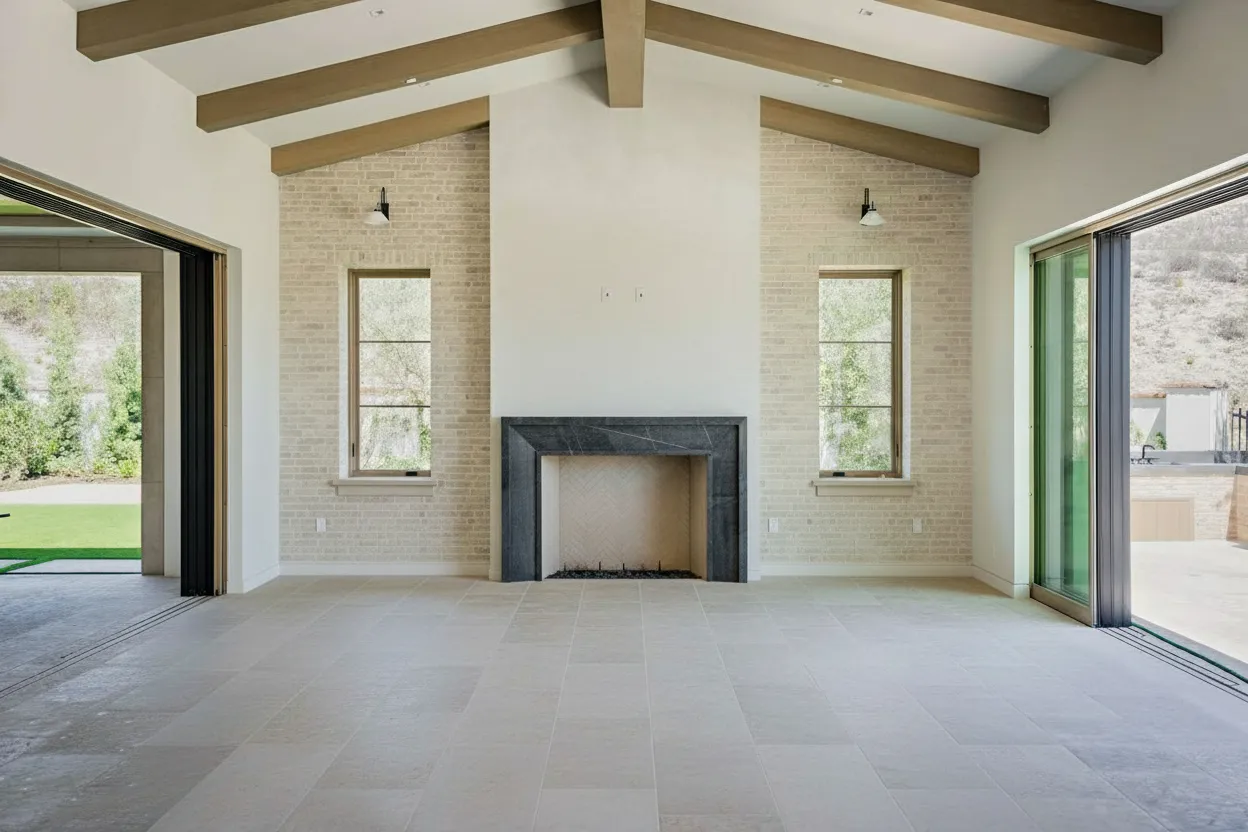
Ever wonder what makes one home fly off the market while another sits for months? More often than not, the answer is smart home staging. It’s not just about making a house look pretty; it’s a strategic marketing move that helps buyers fall in love with a property.
The Real Value of Staging Your Home

I’ve seen it time and time again: a buyer walks into a well-staged space, and their entire demeanor changes. They stop seeing walls and floors and start picturing their future. That powerful first impression is what staging is all about.
The goal is to help potential buyers mentally move in. This means finding a careful balance—depersonalizing the space enough so they aren’t distracted by your life, but keeping it stylish and inviting enough to feel aspirational.
Creating an Emotional Connection
Staging is powerful because buying a home is an emotional decision. A cluttered, personal home can feel overwhelming and small. In contrast, a clean, thoughtfully arranged space feels calm, spacious, and full of possibility.
Think of your house as a product on a shelf. The ones with the best packaging always grab the most attention because they communicate quality and desirability. Home staging is your home’s packaging, designed to highlight its best assets and minimize any flaws.
A buyer’s decision is often made in the first few moments. They make a very real, physical decision—one that involves location and money—from a place of pure emotion. A positive feeling about the house is the foundation for everything else.
The Tangible Benefits of Staging
This emotional pull has very real, measurable benefits. Homes that are staged properly simply spend less time on the market and attract higher offers. Why? Because staging justifies the asking price by presenting the property in its best possible light.
When buyers can easily imagine hosting holiday dinners in the dining room or unwinding in the primary bedroom, they’re far more likely to meet your price. You can see some stunning examples of this in our guide to staging before and after transformations.
In a crowded market, mastering these details can do more than just speed up a sale; it can even help you revive stale listings and sell for over asking. Ultimately, great staging is what makes your property the one buyers are still thinking about long after the open house ends.
Your Pre-Staging Game Plan
 Everyone wants to jump right to the fun part of staging—arranging furniture, adding stylish decor, and making the place look incredible. But I’ve seen it time and again: skipping the unglamorous prep work is a huge mistake. It’s like trying to paint over a dirty, cracked wall; the flaws will always show through.
This initial phase is all about creating a blank canvas. It’s the foundational work that allows a buyer to see your home’s best features, not your years of accumulated stuff. Getting this right is what creates that “wow” feeling when they first walk in the door.
The Four-Box Method for Decluttering
Let’s be honest, tackling years of clutter is overwhelming. The trick is to be systematic, not sentimental. My go-to strategy is the Four-Box Method. It turns a massive project into a series of simple decisions. Grab four boxes (or just designate four areas in a room) and get to work.
- Keep: These are the things you genuinely love and will absolutely use in your next home.
- Store: Think of seasonal items, extra linens, most of your book collection, and personal keepsakes. Pack them up now and get them into a storage unit or a very neat stack in the garage. Out of sight, out of mind.
- Donate/Sell: If an item is in good shape but you haven’t touched it in a year, it’s time to let it go. Be ruthless. Your goal is to sell your house, not hold onto things “just in case.”
- Discard: Anything that’s broken, expired, or just plain worn out. Don’t make your old junk the new owner’s problem.
This approach keeps you focused and moving forward. For a more detailed breakdown, we’ve put together a full guide on how to declutter your home for a faster sale.
Depersonalize to Widen the Appeal
Once the clutter is gone, it’s time to make the space feel less like your home and more like their potential home. Buyers need to be able to picture their own lives unfolding there, which is nearly impossible when your family photos and kids’ refrigerator art are staring back at them.
A potential buyer’s comfort in the very personal space of a stranger is a fragile thing. You want to give people the grace and respect of being able to see your home in as relaxed a way as possible so that they feel good.
This means packing away the family portraits, quirky collections, and any decor that screams a highly specific personal taste. Swap them out for neutral art, simple mirrors, or generic decorative pieces. You’re not trying to create a sterile box, just a welcoming backdrop that appeals to the broadest audience possible.
The Deep-Cleaning Checklist
Now it’s time to clean. And I don’t mean your typical weekend tidy-up. I’m talking about a top-to-bottom, white-glove-test deep clean that leaves the entire house smelling and looking fresh. Buyers absolutely notice the details, and a spotless home sends a powerful message that it’s been well cared for.
Hit these spots that are almost always overlooked:
- Wash walls and wipe down every single baseboard and door frame.
- Clean the inside and outside of all windows, including scrubbing the tracks.
- Dust light fixtures, ceiling fans, and the tops of kitchen cabinets.
- Get carpets professionally cleaned and have hardwood floors polished.
- Scrub the grout in your kitchen and bathrooms until it looks brand new.
High-Impact, Low-Cost Repairs
Finally, walk through your home with the critical eye of a buyer and fix all the little things that, together, can make a property feel neglected. You don’t need to start a major renovation; focus on the small fixes that deliver a big visual punch.
- Patch and Paint: Fill in nail holes and scuff marks. A fresh coat of a warm, neutral paint is one of the single best investments you can make.
- Update Hardware: For less than a hundred dollars, you can swap dated cabinet pulls, doorknobs, and light switch plates for modern, clean-looking alternatives. It makes a surprising difference.
- Fix Your Lighting: Walk through and replace every single burned-out light bulb. Make sure all the bulbs in a fixture are the same color temperature (e.g., all “soft white”) for a consistent, professional look.
By tackling this game plan before you even think about styling, you’re not just cleaning up; you’re preparing a premium product for the market. This is the work that ensures buyers see a clean, spacious, and move-in-ready home they can fall in love with.
A Room-by-Room Staging Guide
With the decluttering and deep cleaning behind you, we can move on to the more creative part: strategically staging each room. The goal here is simple. You want to show off each space’s best features and give it a clear purpose, so buyers don’t have to use their imagination. They should walk in and instantly see themselves living there.
This isn’t about buying all new furniture; it’s about smart arrangement and adding thoughtful touches where they count most. Buyer behavior studies tell us exactly where to focus. For instance, 46% of buyers say the living room is a very important space to stage. The primary bedroom isn’t far behind at 43%, and the kitchen comes in at 35%. This data helps us put our energy where it will make the biggest difference.
It’s no surprise, then, that 81% of real estate agents agree that staging makes it much easier for a buyer to visualize a property as their future home. If you’re curious about what else buyers are looking for, you can discover more home staging statistics and what they mean for sellers.
Crafting an Inviting Living Room
The living room is usually the first space buyers see, so it’s your best chance to make a real emotional connection. Your focus should be on creating a sense of flow and encouraging conversation.
One of the best things you can do is pull your furniture away from the walls. It might feel counterintuitive, but floating your sofa and chairs in the middle of the room actually makes the space feel larger and more intentional. Anchor the grouping with a great area rug to create a cozy, defined living area.
- Define Your Zones: An area rug is perfect for marking the main seating area. As a rule of thumb, make sure the front legs of your sofa and armchairs are sitting on the rug.
- Create a Sense of Symmetry: Our eyes are naturally drawn to balance. If you have a sofa, try placing two matching armchairs across from it. Symmetrical end tables and lamps also create a calming, put-together look.
- Add Softness and Color: A few well-chosen decorative pillows and a neatly folded throw blanket can add warmth. Stick to a neutral palette or a single accent color to keep it from feeling too personal.
A common trap I see sellers fall into is using furniture that’s too big for the room. If your giant sectional is overwhelming the space, think about putting a piece or two in storage to create a more open feel.
Showcasing a Functional Kitchen
Buyers are notoriously picky about kitchens, so your staging needs to be flawless. The goal is to highlight countertop space, storage, and the potential for cooking and entertaining—not your personal collection of gadgets.
Start by clearing everything off the countertops. And I mean everything. The toaster, the coffee maker, the knife block, even the fruit bowl. You want to show off every square inch of that surface.
Once the counters are completely clear, you can add back one or two simple touches. A bowl of fresh green apples, a small potted herb by the sink, or a single cookbook on a stand can work wonders. You’re trying to suggest a lifestyle, not show your daily routine.
This approach gives the kitchen a clean, spacious look that allows buyers to picture their own belongings there. Make sure the sink is empty and polished, and if you can, tuck the trash can away in a pantry or cabinet.
Designing a Serene Primary Bedroom
The primary bedroom needs to feel like a peaceful retreat. You’re selling a sanctuary where someone can unwind and recharge, not just a room with a bed.
The bed is the absolute star of the show. Dress it up with crisp, clean, neutral-colored bedding. You can never go wrong with white—it feels fresh and luxurious, just like a high-end hotel.
Here’s how to get that hotel vibe:
- Lush Bedding: Use a fluffy duvet or comforter and don’t skimp on the pillows. A good formula is two sleeping pillows, two matching shams, and one or two smaller accent pillows in front.
- Symmetrical Nightstands: Flank the bed with a pair of matching nightstands and identical lamps. This symmetry is incredibly soothing to the eye and makes the room feel polished.
- Clear the Surfaces: Other than the lamps, the only things on the nightstands should be a single book or a small, tasteful object. All your other personal items need to be out of sight.
Transforming Bathrooms into Spa-Like Retreats
Bathrooms have to be immaculately clean and feel like a private spa. Just like in the kitchen, this means removing every trace of your daily life.
Pack away all your personal hygiene products—shampoo bottles, soap bars, toothbrushes, and razors. A clear shower and an empty countertop are essential.
- Fresh Towels: Go out and buy a new set of fluffy, white towels. You’ll only need to artfully hang one hand towel and one bath towel. Remember, these are just for show!
- Simple Styling: Place a small tray on the counter holding a nice bar of soap, a small plant (an orchid is a great choice), and maybe a single candle.
- Hide the Essentials: The toilet brush, plunger, and bathroom scale need to be completely hidden from view.
As you work through your room-by-room staging, don’t forget your outdoor spaces. Learning how to arrange patio furniture can help you create a functional outdoor retreat that adds to your home’s overall appeal.
Physical vs. Virtual Staging: Making the Right Choice in 2026
So, you’re ready to stage your home. You’ve probably hit your first big question: should you go the traditional route with physical staging, or is virtual staging the smarter move? Both are designed to help buyers picture themselves living in the space, but they work in completely different ways.
Physical staging is exactly what it sounds like. You hire a professional to bring in real furniture, art, and decor to arrange the home. It’s a hands-on approach that creates a tangible experience for buyers walking through the door.
Virtual staging, on the other hand, is all about the digital first impression. It takes photos of empty rooms and uses sophisticated software to add stylish furniture and decor. This is how you create those “wow” moments for buyers scrolling through listings online.
The Cost and Return on Investment
Let’s talk money, because the difference here is huge. Physical staging is a serious financial commitment. You’re not just paying a designer; you’re renting furniture, which can cost thousands of dollars every single month the house is on the market. That cost can quickly chip away at your final profit.
This is where virtual staging really shines, especially for anyone keeping a close eye on the budget. In 2026, the numbers speak for themselves. The ROI for virtual staging can range anywhere from 500% to a staggering 3,650%. Compare that to physical staging, which typically sees a return between 102% and 909%.
Think about it this way: to physically stage a standard 2,500-square-foot home, you might spend $2,000 to $5,000 per month. With today’s virtual staging tools, you can get a similar high-end look for a one-time fee of under $300.
While nothing beats the in-person feel of a physically staged home, the incredible ROI and affordability of virtual staging have made it a go-to marketing tool for savvy sellers.
No matter which method you lean toward, your focus should always be on the rooms that matter most to buyers.

As you can see, the living room, main bedroom, and kitchen are where you’ll get the most bang for your buck.
Speed and Marketing Flexibility
Time is almost as important as money when you’re selling a home. Coordinating physical staging can be a slow-moving process, often taking weeks from the first call to the final pillow being placed. It requires a lot of logistical heavy lifting.
Virtual staging works on a much faster timeline. With a platform like BrightShot, you can upload your photos and get them back beautifully furnished in a matter of hours.
This speed gives you an incredible amount of marketing agility. Let’s say your listing has been live for a week, but the photos just aren’t drawing people in. With physical staging, you’re stuck. But with virtual staging, you can completely change the look overnight. Is the modern farmhouse vibe not resonating? Let’s try a sleek, minimalist style instead. You can learn more about how this works in our guide to real estate virtual staging software.
To make the decision a bit easier, here’s a straightforward comparison of the two approaches.
Physical Staging vs. Virtual Staging Comparison
This table breaks down the key differences between traditional home staging and virtual staging, helping you decide which strategy is the best fit for your property and goals.
| Factor | Physical Staging | Virtual Staging (using a platform like BrightShot) |
|---|---|---|
| Cost | $2,000–$5,000+ per month | Under $300 one-time fee |
| Timeline | 1-3 weeks for setup | Hours to 2 days |
| Flexibility | Low; one style per setup | High; easily change styles & furniture |
| Impact | High for in-person viewings | High for online listings & initial interest |
| Best For | High-end luxury properties | Vacant homes, budget-conscious sellers |
Ultimately, virtual staging is a fast, affordable, and remarkably flexible tool for creating listing photos that stop buyers in their tracks. It’s all about nailing that crucial first impression online to drive more foot traffic to your open house, where the home itself can do the rest of the talking.
Next-Level Staging with Lighting and Photography

You’ve put in the hard work—decluttering, deep cleaning, and arranging every room just so. But the job isn’t quite done. This next phase is where you make a property truly shine, and it all comes down to mastering light and capturing it with incredible photography.
Let’s face it, your listing photos are your single most important first impression. With over 90% of homebuyers starting their search online, these images are everything. I’ve seen beautifully staged homes fall flat because of dark, amateur photos. You can’t let that happen.
Mastering the Three Layers of Light
Professional interior designers don’t just flip on a switch; they think about light in layers. Understanding this concept is a game-changer for staging because it creates depth, warmth, and an inviting atmosphere that buyers can feel from the photos alone.
- Ambient Lighting: This is your base layer, the main light source in a room from overhead fixtures or can lights. Your goal here is a soft, even glow that fills the entire space.
- Task Lighting: This is more focused, practical light. Think of under-cabinet lighting in the kitchen that makes countertops gleam or a stylish reading lamp beside an armchair that creates a cozy nook.
- Accent Lighting: This is where you have some fun. Accent lighting is all about drawing attention to the good stuff—a spotlight on a beautiful piece of art, an uplight tucked behind a large plant, or track lighting aimed at a fireplace.
When you get these three layers working in harmony, a room feels sophisticated and complete. Even something as simple as aiming a floor lamp at a dark corner can make the whole room feel bigger and more welcoming.
A well-lit room feels more spacious and positive, which is exactly the emotional response you want from a potential buyer. Think of light as an invisible tool for directing attention and creating a mood.
Looking for a quick, high-impact fix? Swap out dated light fixtures. A modern chandelier in the dining room or sleek vanity lights in a bathroom can instantly update a space for a relatively small cost. And don’t forget the power of mirrors—placing a large one opposite a window is a classic trick for bouncing natural light around and making any room feel brighter.
Capturing the Perfect Shot
Once your lighting is dialed in, it’s time to capture that magic. No matter how advanced your smartphone is, it just can’t compete with the quality of professional real estate photography. This is the moment all your staging efforts pay off.
The goal is to get images that are bright, crisp, and true-to-life. A professional photographer knows the right angles, composition techniques, and camera settings to make every room look its absolute best. If you’re serious about getting top dollar, this is one corner you should never cut. For anyone wanting to dive into the technical details, getting your real estate photography camera settings right is non-negotiable for pro-level results.
Perfecting Your Listing Photos with AI
Even with a pro behind the lens, some things are out of your control. An overcast, gloomy day can lead to flat, uninspiring exterior shots, no matter how good the photographer is. This is where modern editing tools can be a lifesaver.
AI-powered photo enhancers like BrightShot are built to solve these exact problems. They take great photos and make them flawless, ensuring your property looks stunning online, regardless of the weather on photo day.
- Day-to-Dusk Conversions: Imagine turning a standard daytime exterior shot into a dramatic twilight photo. This “hero” image can make your listing stop the scroll and grab a buyer’s attention immediately.
- Sky Replacement: Was it raining cats and dogs on shoot day? AI can instantly swap that dreary, gray sky for a perfect sunny one, making your home look infinitely more appealing.
- AI Decluttering: Miss a stray dog toy or a rogue phone charger during your final sweep? These tools can digitally erase it, delivering that perfectly clean and polished look buyers expect to see.
These enhancements aren’t just a novelty anymore; they’re an essential part of creating a competitive listing that gets clicks and showings. By combining meticulous staging with professional photography and smart, AI-powered editing, you’re presenting an irresistible package that will bring buyers straight to your door.
Common Home Staging Questions Answered
No matter how much you prepare, staging always brings up a few questions. That’s perfectly normal. It’s a big investment of time and energy, and you want to be sure you’re getting it right. So, let’s walk through some of the most common things sellers ask, drawing from years of experience in the field.
How Much Does Home Staging Actually Cost?
This is the big question, isn’t it? The truth is, the cost can swing wildly depending on whether you go with traditional hands-on staging or the more modern virtual approach.
Professional physical staging means hiring an expert to bring in and arrange everything from sofas to artwork. It’s a full-service experience, and the price reflects that. You’re typically looking at a few different costs:
- Initial Consultation: Expect to pay between $300 and $600 for a stager to walk through your home and give you a detailed action plan.
- Furniture Rental: This is the largest chunk of the budget. It can easily run from $500 to $2,000+ per month, often with a multi-month minimum. The price depends on how many rooms you’re staging and the quality of the pieces.
- Stager’s Fee: This covers the stager’s design time, sourcing, installation, and project management. It can add another $1,000 to $5,000 or more to the bill.
Virtual staging, on the other hand, is a game-changer for your budget. It digitally adds stylish furniture and decor into photos of your empty rooms. Instead of thousands of dollars and monthly fees, you’re looking at a small, one-time cost per photo—often less than $50 per image.
Here’s what it all boils down to: return on investment. While nothing beats the in-person tour of a physically staged home, the incredible affordability and marketing power of virtual staging can deliver an amazing ROI without the huge upfront cost and recurring rental fees.
Can I Stage a Home That I Am Still Living In?
Absolutely. Staging an occupied home is incredibly common, it just takes some discipline. The trick is to stop thinking of it as your home and start thinking of it as your product. It’s a temporary lifestyle change that can seriously pay off at the closing table.
The goal is simple: make it effortless for buyers to imagine themselves living there, not to see how you live there. First, get ruthless with the decluttering and depersonalizing steps we talked about earlier. Anything you don’t need for daily life should go into a storage unit. This creates that clean, neutral backdrop buyers love.
Next, you’ll need a “show-ready” routine you can execute in minutes.
- Use “Go Baskets.” Grab a laundry basket or a nice-looking tote for each main living area. Before a showing, do a quick sweep and toss in all the daily clutter—remote controls, mail, phone chargers, dog toys, toiletries. Then just hide the basket in your car trunk or a deep closet.
- Keep it “Hotel Clean.” This means making the beds every single morning, wiping down kitchen and bathroom counters immediately after use, and never leaving dishes in the sink.
- Do a 15-Minute Reset. Before leaving for a showing, fly through the house. Fluff the sofa pillows, straighten the hand towels in the bathroom, and open every blind and curtain to let the light pour in.
Living in a staged home means being ready for a showing at a moment’s notice. It’s a bit of work, but it means you can sell your home for top dollar without having to move out first.
What Are the Biggest Staging Mistakes to Avoid?
Sometimes, knowing what not to do is even more important than knowing what to do. I’ve seen a few common missteps completely sabotage an otherwise great staging effort.
The absolute biggest mistake is making the decor too personal. Your eclectic art collection and bold accent walls might be your pride and joy, but they can be a major turn-off for buyers. They make it much harder for people to envision their own lives and furniture in the space. Always, always aim for neutral and inviting.
Another pitfall that’s easy to fall into is neglecting outdoor spaces. Curb appeal is your first impression—and you only get one. A patchy lawn, a cluttered porch, or dead plants in pots can give buyers a negative feeling before they even walk through the door.
Finally, please be careful about using cheap-looking furniture or decor. If you’re bringing in items to fill the space, make sure they look substantial and clean. A wobbly end table, faded fake flowers, or a flimsy-looking rug can make the whole house feel cheap. It suggests a lack of care and maintenance, which is the last thing you want buyers to think. Honestly, it’s better to have a beautifully clean, empty room than one filled with subpar items.
Ready to create stunning listing photos that capture buyer attention instantly? BrightShot uses AI to virtually stage properties, declutter rooms, and perfect your images with one click. Showcase your home’s true potential and drive more viewings. Try it free today.