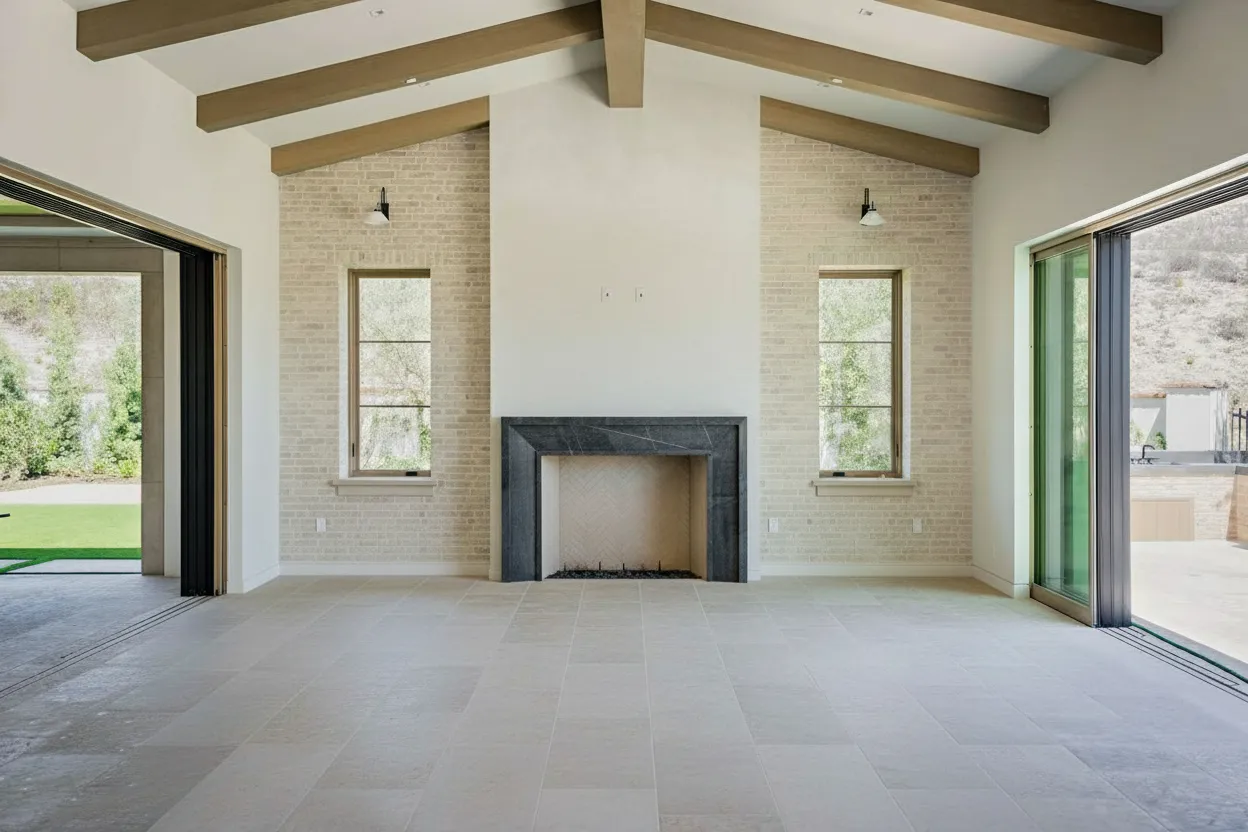
When you decide to sell your home, the first and most crucial mental shift is moving from a “homeowner” to a “home seller.” It’s no longer about your comfort or personal history; it’s about strategically preparing a product for the market. This means depersonalizing, clearing out excess, and creating a clean, inviting space that lets buyers imagine their own future there.
Think of it as setting the stage. You’re creating a neutral backdrop that makes every room feel bigger, brighter, and full of potential. This single step can make or break viewing traffic and directly influence the quality of offers you receive.
Why Decluttering Is Your Secret Weapon in Real Estate
Let’s be clear: decluttering isn’t just a quick tidy-up. It’s one of the most powerful marketing tools you have. When buyers walk in or scroll through photos online, they’re looking for an emotional connection. Clutter is a massive distraction, filled with your personal stories and belongings, which makes it nearly impossible for them to see the house as their own.
A clean, organized home sends a powerful, unspoken message: “This property is well-maintained.” It builds immediate trust and signals to buyers that they’re looking at a home without hidden problems, which is a huge psychological win.
Make Every Square Foot Count
The most immediate payoff from decluttering? The illusion of more space. When you take out that extra armchair, clear off the kitchen counters, and edit the overflowing bookshelves, the room’s true dimensions finally have a chance to breathe.
This is how you show off your home’s best features—those beautiful hardwood floors, the big sunny windows, or the charming architectural details that were buried under “stuff.”
By simplifying what buyers see, you’re helping them focus on what they’re actually buying: the house itself. You’re giving them the mental clarity to appreciate the layout and potential of each room.
The Real Numbers Behind a Tidy Home
If you’re wondering whether the effort is worth it, the data speaks for itself. The return on your decluttering time is significant, impacting everything from online views to the final sale price.
We’ve put together a quick look at how decluttering moves the needle on key sales metrics.
The Impact of Decluttering at a Glance
| Metric | Improvement with Decluttering |
|---|---|
| Online Photo Views | Up to 61% more views for listings with clean, decluttered photos. |
| Time on Market | Sells up to 32% faster than comparable cluttered homes. |
| Sale Price | Can command a 3–5% higher price, adding thousands to your bottom line. |
The takeaway is clear: a clutter-free presentation isn’t just nice to have; it’s a strategic move that drives real financial results. Homes with a clean, open feel simply perform better at every stage of the selling process.
Ultimately, presenting your property in its best light is non-negotiable for a fast and profitable sale. For an even deeper dive, our ultimate guide to presenting a house for sale has plenty more tips to get you started.
Your Four-Week Decluttering Action Plan
Let’s be honest, staring down a whole house that needs to be decluttered is enough to make anyone want to give up before they start. It feels like a massive, impossible task. But if you try to do it all at once, you’ll burn out.
The key is breaking it down into a manageable, four-week sprint. Think of it less like a chore and more like the first, most crucial step in marketing your home. Every box you pack and every shelf you clear over the next month is actively working to get you more views online, more foot traffic through the door, and a better price at the closing table.
This is what that return on your effort looks like over time.

As you work through this plan, you’re systematically making your home more appealing at every stage, building momentum that leads to a faster sale for a higher price.
Week 1: Lay the Groundwork in Your Storage Zones
The first week isn’t about diving into the main living areas. It’s about strategy and tackling the forgotten zones. Before you even think about sorting, get your supplies lined up: plenty of sturdy boxes, packing tape, sharpies, and contractor-grade trash bags. Now is also the time to book a storage unit if you know you’ll need one.
With your “decluttering kit” ready, it’s time to face the spaces where stuff goes to die.
- Basements and Attics: These spots are notorious clutter magnets. It’s time to be ruthless. Sort through those holiday decorations, sentimental items, and old furniture. If you haven’t used it in years, it’s time for it to go.
- Garages: A potential buyer needs to picture their car fitting comfortably inside. Get everything off the floor. Tools, bikes, and boxes should be organized neatly on shelves or against the walls to show off just how much space is really there.
Week 2: Tackle Bedrooms and Closets
Now that the deep storage is handled, let’s move on to the personal spaces. You want bedrooms to feel like calm, spacious retreats, not storage lockers. And closets? They’re a huge deal for buyers. An overstuffed closet screams, “This house doesn’t have enough storage!”
Your mission here is to make every single closet look at least 30% empty. That visual breathing room creates the illusion of abundant space. Pack up all your off-season clothes, extra blankets, and anything you honestly haven’t worn in the past year.
The “Four-Box Method” is a game-changer for this week. As you pick up an item, you have to make an immediate decision—no second-guessing. It goes into one of four boxes: Keep, Sell/Donate, Store, or Trash. This forces you to be decisive and stops you from just moving piles from one spot to another.
Week 3: Focus on High-Traffic Living Areas
Alright, it’s time for the main event. The kitchen and living room are where buyers form their most lasting impressions, so this week is all about making them shine.
In the living room, the goal is to create flow. Pull out any bulky or extra furniture that makes the room feel crowded. You want clear, easy pathways for people to walk through. This is also the week to take down family photos and personal collections.
The kitchen has one simple, golden rule: clear the countertops. Nothing makes a kitchen look smaller and more chaotic than a counter full of appliances. Pack away the toaster, the blender, the coffee maker—everything you can live without for a few weeks. The wide-open counter space will make the whole room feel bigger.
Week 4: The Final Polish and Staging
With all the heavy lifting and clutter-clearing done, the final week is all about the details that make your home feel move-in ready. Now you can actually see the dust bunnies and smudges that were hiding before. It’s time for a serious deep clean.
- Depersonalize Completely: This is your last chance to remove any lingering personal touches. Take the magnets and kids’ art off the fridge and pack away any remaining personal trinkets.
- Add Simple Staging: You don’t need to be a professional designer. A bowl of green apples on the kitchen island, a new set of plush white towels in the bathroom, or a few fresh throw pillows can make a world of difference.
- Boost Your Curb Appeal: Don’t let all your hard work inside go to waste with a messy exterior. A freshly mowed lawn, some new mulch in the flower beds, and a clean front porch create an irresistible first impression.
A Practical Room-By-Room Decluttering Guide

Okay, you’ve got a plan. Now for the hard part—actually doing the work. This is where you mentally shift from seeing your house as a home to seeing it as a product. We’re going to focus on the rooms that create the biggest first impression, turning them into clean, neutral spaces that let buyers dream.
In every room, the goal is the same: create a feeling of space, light, and possibility. You’re not just cleaning; you’re merchandising each area to show off its best features.
Start with the High-Impact Living Room
The living room really sets the tone for a showing. It needs to feel open, inviting, and spacious the second someone walks in. I’ve found that most of us have way too much furniture for the room’s actual footprint, which immediately makes it feel cramped.
Take a good, hard look at your layout. Can people walk around freely without bumping into things? If not, it’s time to get ruthless.
- Remove Excess Furniture: That extra armchair you love, the oversized ottoman, that third end table… they have to go for now. Your goal is to create clear walking paths that highlight the room’s natural flow.
- Edit Your Bookshelves: Packed-to-the-gills bookshelves are a classic mistake. A great rule of thumb is to remove at least one-third of the items from every shelf. This gives the eyes a place to rest and makes the storage feel more generous.
- Box Up Personal Decor: Family photos, quirky collections, and your kids’ beautiful artwork all need to be packed away. These things make it tough for buyers to mentally “move in” and picture their own lives there.
Create a Show-Ready Kitchen
For most buyers, the kitchen is everything. It’s where they’ll spend the most time poking around, scrutinizing storage, and judging functionality. When you declutter your home for sale, the kitchen demands an almost surgical approach.
The single most effective thing you can do in the kitchen is clear the countertops completely. A wide, open counter makes the whole room feel larger, cleaner, and more usable.
This means putting away the toaster, the coffee maker, the knife block, and that jar of utensils. Leave out only one or two simple decorative items, like a bowl of fresh lemons or a small plant. And yes, buyers will open your cabinets and pantry, so make sure they’re neat. Toss expired food and stack dishes tidily to show off every inch of storage.
Design Serene Bedrooms and Spacious Closets
Bedrooms should feel like a peaceful escape, not a storage unit with a bed in it. You’re aiming for a calm, almost hotel-like vibe that lets a buyer imagine their own private sanctuary.
Closets, though, are a whole different ballgame. An overstuffed closet is a massive red flag to a buyer. It screams, “This home doesn’t have enough storage!”
- Nightstands and Dressers: Clear them off. A lamp and a single book are perfect. Anything more is clutter.
- Closet Capacity: Your closets should look no more than 50-60% full. This means packing up all off-season clothing, extra shoes, and anything you haven’t worn in the last year.
- Uniform Hangers: This is my favorite little trick. Investing in a set of matching hangers costs next to nothing but makes a closet look instantly organized and high-end.
By tackling these key areas one by one, you’re doing more than just cleaning—you’re strategically making your home more appealing to buyers. Every cleared surface and organized closet is a deliberate move toward a faster, more profitable sale. You can see some truly amazing staging before and after transformations that all began with this exact process.
Preparing Your Home for Standout Listing Photos

You’ve done the heavy lifting—the sorting, the packing, the deep cleaning. Your home is finally decluttered. Now comes the moment that really counts: turning that clean, open space into listing photos that make buyers stop scrolling.
It’s a crucial distinction to make. A room that feels spacious and welcoming in person can sometimes look flat or awkward on camera. The final push is all about staging for the lens. This means tweaking furniture placement, playing with light, and adding small details that pop on a screen. This is the last mile in your effort to declutter your home for sale, and it’s what gets people in the door.
Staging Specifically for the Camera
A professional camera is brutally honest; it sees things our eyes tend to gloss over. What looks like a cozy arrangement in real life might translate to a cramped mess in a photo.
The trick is to start thinking like a photographer. Pull your furniture away from the walls. Seriously, even just a few inches creates a sense of depth and keeps the room from looking two-dimensional. You can also angle chairs towards each other to suggest a conversation area, which makes the space feel more functional and inviting.
- Let There Be Light: This is non-negotiable. Open every single blind and curtain to let in as much natural light as possible. Then, turn on every light in the house—lamps, overheads, under-cabinet strips, all of it. This layering of light creates a warm, bright ambiance that buyers love.
- The Final Polish: Do one last walkthrough with a critical eye. Wipe down countertops, mirrors, and appliances to get rid of fingerprints. Fluff every pillow, straighten every picture frame, and smooth out any wrinkles in the bedspreads.
Understanding the technical side can also give you an edge. If you’re curious about what a pro photographer is looking for, our guide on real estate photography camera settings breaks it down.
When Physical Decluttering Isn’t Enough
So, what happens if you’ve run out of time? Or you have a tenant’s belongings you can’t move? Sometimes, no matter how well you plan, there are items that simply can’t be cleared out before photo day. When you hit that wall, technology can be a lifesaver.
Virtual decluttering is a game-changer when you’re up against the clock or dealing with tricky logistics. It lets you showcase your home’s full potential online, even if the physical space isn’t quite perfect yet.
AI-powered photo editing can digitally remove distractions from your listing photos—think moving boxes stacked in a corner or a tenant’s overflowing bookshelf. This ensures your marketing starts on the right foot with clean, aspirational images that attract the most buyers.
You can market the property’s best-case scenario from day one, drumming up interest while you finish the physical work for the actual showings. It’s a smart strategy to keep your sale moving forward, no matter what obstacles pop up.
How Agents Can Guide Sellers Through the Decluttering Process
Let’s be honest: telling a client they need to declutter can be one of the most delicate conversations in real estate. It feels like you’re walking on eggshells. If you frame it as a critique of their home or lifestyle, you risk damaging the entire relationship before you even get started.
The trick is to reframe the conversation entirely. Don’t make it about their “stuff.” Instead, make it a crucial, non-negotiable step in our shared marketing strategy to get them top dollar.
Instead of saying, “Your house is too cluttered,” try leading with the financial benefit. I often start with something like, “To make sure we attract the highest possible offers, we need to present your home like a model home. That means creating a clean, neutral space where buyers can really see themselves living here.” This shifts the task from a personal judgment to a smart business decision we’re making together.
Use Data to Make Your Case
Bringing in hard numbers takes the personal element out of it completely. Now, it’s not just your opinion; it’s a proven market reality. Explain that when you declutter your home for sale, you’re directly impacting how buyers perceive the value of the property and how much they’re willing to pay.
The National Association of Realtors’ 2025 Profile of Home Staging is your best friend here. The report shows that 91% of agents recommend decluttering, making it the number one suggestion for sellers. Even better, almost a third of agents (29%) saw a 1% to 10% increase in the offer price because of it. For most homes, that’s thousands of extra dollars in the seller’s pocket.
The goal is to be a trusted advisor, not a critic. By presenting decluttering as a proven method for maximizing their investment, you align yourself with the client’s ultimate goal: achieving the best possible outcome for their sale.
Practical Scripts and Talking Points
Having a few go-to phrases ready can make these conversations flow much more smoothly.
Here are a few lines that have worked well for me over the years:
- Focus on Photos: “Remember, our first showing happens online. To make your listing photos absolutely pop, we need to showcase the home’s space and natural light. A great rule of thumb is to clear off all the surfaces and remove about a third of the items in each room.”
- Emphasize Storage: “You know buyers are going to open every single closet. When they see them looking spacious and organized, it sends a powerful message that the home has plenty of storage—that’s a huge selling point.”
- Frame it as Pre-Packing: “Think of this as getting a massive head start on your move. Everything we box up now is one less thing you’ll have to worry about when you’re on a tight moving deadline.”
When you guide sellers with empathy and back it up with solid data, a daunting task becomes a collaborative project focused on a successful sale. For agents who want to dive deeper into this and other home presentation strategies, our virtual staging guide for realtors has a ton of additional insights.
Lingering Questions About Decluttering to Sell
Even the best-laid plans can hit a snag. When you’re in the thick of decluttering your home to sell, it’s completely normal to face a few tricky situations. Let’s walk through some of the questions I hear most often from clients and get you the clear, practical answers you need to keep things moving.
Do I Really Need to Rent a Storage Unit?
I get this question all the time, and my answer is almost always a resounding yes. Think of it as a small, smart investment in your final sale price.
After you’ve done the hard work of sorting and donating, take a good, honest look at your closets, garage, and basement. If they still feel stuffed to the gills, a storage unit is your next best move. Buyers are nosy—in a good way! They will absolutely open every closet and cabinet door. An overstuffed space immediately screams “not enough storage,” and that’s a huge red flag for them.
Your goal is to make every storage area feel spacious and airy, like there’s plenty of room to grow. That small monthly rental fee is nothing compared to the value you create by impressing a buyer with how much space your home offers.
A storage unit isn’t just a place to stash your stuff. It’s a strategic tool for selling the perception of a larger, more organized home. That perception is what leads to stronger offers.
How Far Do I Go With Depersonalizing?
It can be tough to draw the line between a warm, inviting home and a sterile, impersonal house. For selling, you’re aiming for something in between—think of a stylish boutique hotel. You want buyers to walk in and immediately start picturing their own lives there, not feel like they’re peeking into yours.
This means packing away the things that make your home uniquely yours. All the family photos on the wall, the kids’ artwork on the fridge, and that quirky collection of snow globes? It’s time for them to go into a box.
Here are a few rules of thumb I give my clients:
- Bookshelves: Don’t leave them empty, but don’t cram them full. Style them to look about 60% full, mixing in a few neutral decor pieces with the books.
- Closets: Aim for them to be no more than two-thirds full. This creates a powerful illusion of spaciousness.
- Surfaces: Clear everything personal off your dressers, nightstands, and bathroom counters. A few decorative items are fine, but the daily clutter has to go.
You’re creating a beautiful, clean canvas. That’s what allows buyers to mentally move in.
What if I’m Out of Time Before Photos?
This is a scenario I see constantly, especially when the market is hot and you need to list now. If you’re up against a tight deadline and just can’t get the physical decluttering done before the photographer arrives, don’t panic. Technology can be a lifesaver.
Services offering virtual decluttering can digitally erase unwanted items right from your listing photos. This lets you hit the market immediately with stunning, clutter-free images that grab buyers’ attention online. You can then continue tackling the physical work for in-person showings without missing that crucial launch window. It’s the perfect way to present your home’s true potential from day one.
Ready to showcase your property’s full potential, even when time is tight? BrightShot uses AI to instantly declutter your listing photos, create virtual staging, and enhance every image to attract more buyers. Get stunning, MLS-ready visuals in seconds. Try it for free at BrightShot’s website.