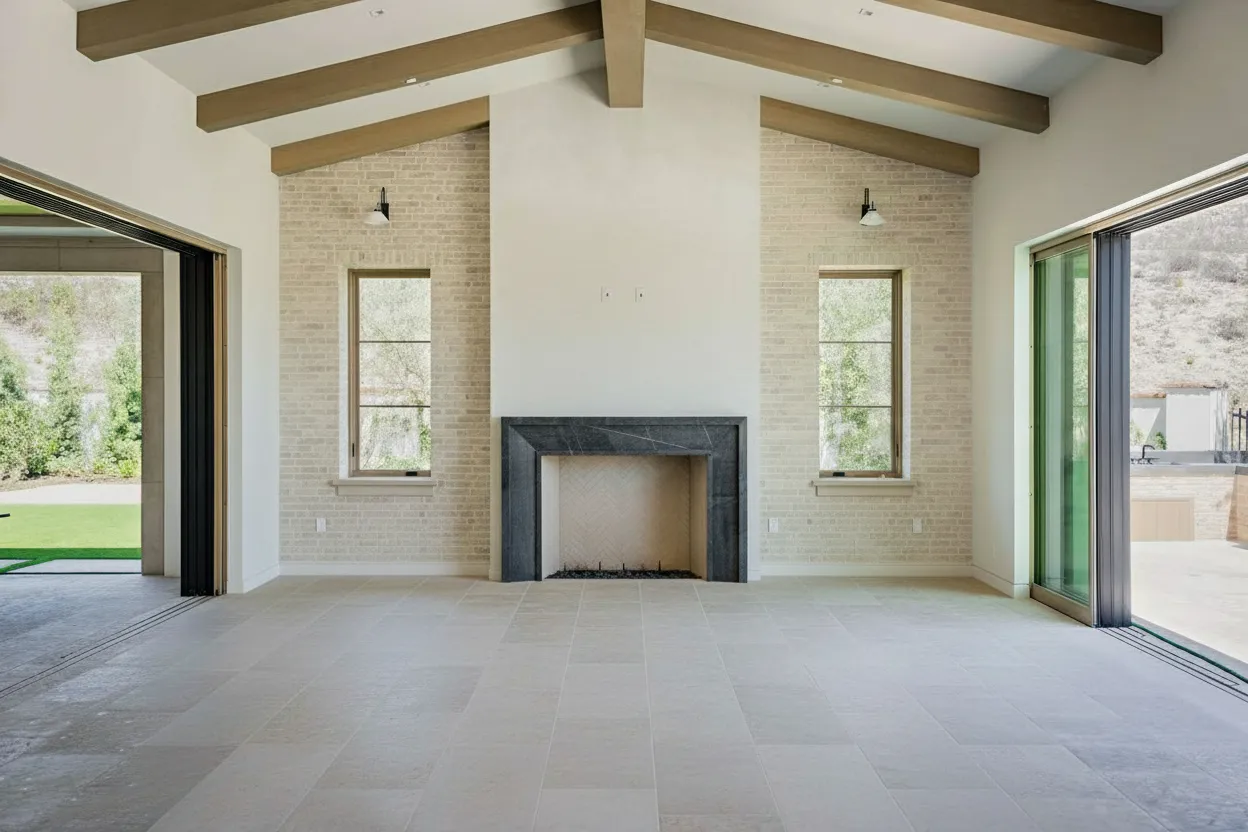
For years, beach house design meant one thing: kitschy anchor motifs, seashell-covered everything, and bold navy stripes. But that’s a world away from where we are now. Today’s contemporary beach house is less about decoration and more about creating a feeling—an experience of calm, understated luxury that’s deeply connected to the natural world.
It’s about clean lines, organic textures, and massive windows that don’t just offer a view but make the landscape a part of the home itself.
The New Coastal Vision

Think of this design philosophy as a direct response to the environment. It pulls its entire identity from the textures of windswept dunes, the muted palette of driftwood, and the incredible, ever-shifting coastal light. The real goal here is to completely erase the line between the living room and the stunning landscape just a few feet away.
This is a massive leap from the traditional seaside decor that used to be the standard. We’re finally seeing a move away from the tired nautical themes and collections of shells, replaced by a style that feels far more refined, authentic, and genuinely relaxing.
Moving Beyond Beachy Clichés
The modern coastal home is defined as much by what it lacks as by what it includes. Gone are the days of literal, on-the-nose interpretations of the beach. Instead, the focus is on capturing the essence of coastal living—that atmosphere of quiet tranquility and effortless style.
This isn’t just a feeling; the market is reflecting this change in a big way. In 2026, designers are seeing a 70% shift toward these more subtle coastal aesthetics in prime waterfront markets. In fact, dated elements like starfish decor have been tied to a staggering 25% drop in perceived property value, as 85% of homeowners now say they prefer “quiet sophistication” over thematic clutter. For a deeper dive, check out the latest 2026 coastal design trends on housebeautiful.com.
To better understand this evolution, let’s compare the old with the new.
The Evolution from Traditional to Contemporary Coastal Design
| Design Element | Outdated Approach | Contemporary Approach (2026) |
|---|---|---|
| Color Palette | Bright navy, stark white, and primary reds. | Sandy neutrals, muted blues, soft grays, and driftwood tones. |
| Motifs | Literal anchors, ship wheels, and seashells. | Abstract patterns inspired by water, sand ripples, and grasses. |
| Furniture | Heavy, dark wood or wicker with bold striped upholstery. | Light-toned wood, sleek lines, and natural fiber fabrics (linen, cotton). |
| Lighting | Nautical-themed fixtures (e.g., lantern-style sconces). | Sculptural, minimalist fixtures; recessed lighting; an emphasis on natural light. |
| Overall Vibe | Themed and decorative. | Serene, organic, and integrated with the environment. |
This table really highlights the core of the change: from a literal interpretation of “beach” to an atmospheric one that feels far more timeless and sophisticated.
Core Principles of Modern Coastal Style
So, what are the building blocks of this updated coastal look? At its heart, it’s all about simplification and connection. The style is built on a few key principles that work together to create its signature, breathable aesthetic.
Here’s what it boils down to:
- Architectural Simplicity: We’re talking clean lines, uncluttered rooms, and simple geometric forms. The architecture should complement the view, not compete with it.
- An Obsession with Natural Light: This is non-negotiable. Huge windows, sliding glass walls, and open floor plans are used to pull in as much sunlight as possible and forge that crucial connection to the outdoors.
- Organic and Textural Materials: Materials are chosen for how they feel, not just how they look. Think light-toned woods, raw stone, soft linen, and woven rattan to add warmth and tactile depth. As our guide on how modern aesthetics balance form and function explains, this is where a space comes alive.
- A Palette Pulled from the Landscape: The color scheme is borrowed directly from the view outside the window—sandy beiges, the soft gray of a foggy morning, and muted sea-grass greens. This creates a calm, cohesive backdrop for living.
Put it all together, and you get a home that isn’t just beautiful to look at, but is also incredibly livable and perfectly in tune with its one-of-a-kind coastal setting.
Building Your Modern Coastal Palette
The soul of a contemporary beach house isn’t found in loud, thematic colors but in a subtle, layered palette pulled straight from the shoreline. It’s time to let go of the old-school navy and white. Instead, think about the complex, quiet colors you’d see on an early morning walk along the coast.
What we’re really doing here is creating an atmosphere—one that feels both organic and deeply calming. It’s a sensory experience, where the home’s interior blurs into the natural world just beyond the windows. The idea is to build a foundation of colors and textures that are as tough as they are beautiful.
Colors Drawn From the Coastline
The new coastal palette is all about subtlety. Picture the soft, sun-bleached gray of weathered driftwood or the pale, warm beige of dry sand. These tones create a serene and flexible backdrop, making the most of natural light instead of fighting with it.
To bring in a bit of depth without overpowering the space, pull accent colors directly from the landscape:
- Misty Grays and Blues: Think of the ocean on an overcast day. These shades add a soothing, sophisticated feel.
- Dune Grass Greens: Muted, earthy greens connect the interior to coastal vegetation, bringing a touch of life indoors.
- Shell Pinks and Corals: When used sparingly, these delicate tones can echo the inside of a seashell or the soft glow of a sunset, adding just the right amount of warmth.
If you need a hand finding the perfect balance, a tool like BrightShot’s AI-powered color palette generator can help you craft a unique scheme that feels just right for your project.
Materials That Marry Beauty with Durability
In a coastal setting, materials have to work hard. They can’t just look good; they have to stand up to humidity, salt, and sun. Great beach house design is smart about this, choosing finishes that feel good to the touch but are also incredibly tough. This is where texture becomes just as crucial as color.
We’re seeing this play out in real-world design choices. In fact, a striking 68% of coastal interiors now incorporate materials like limewash, microcement, and handwoven sisal. This isn’t just a trend; it’s a practical response to the challenging beachside environment. Traditional painted woods, for example, can swell 40% more in salty air, which leads to 35% higher maintenance costs over just five years. These newer, resilient finishes resist that damage while adding incredible depth. You can see more on these 2026 coastal decor trends on beach-homes.com.
The best contemporary beach house interiors feel like they were shaped by the elements, not just placed within them. Materials should tell a story of sand, salt, and sun, creating a space that is both visually and texturally rich.
Choosing the right materials is all about striking a balance. Engineered hardwoods, for instance, give you the warmth of real wood without the risk of warping. In the same way, performance fabrics offer the cozy look of linen or cotton but are built to resist fading and moisture. By making these smart, resilient choices from the start, you create a space that’s effortlessly elegant and truly built to last.
Designing Layouts That Maximize Light and Views
When you’re designing a contemporary beach house, the layout isn’t just about where the rooms go. It’s about strategically pulling that incredible coastal environment right into the home. The real goal is to blur the lines between inside and out until they almost disappear, creating spaces that feel bright, expansive, and totally connected to the ocean.
Think of the floor plan as a camera lens. Your job is to orient and focus it to perfectly frame the best views and capture the most light. It’s a simple idea: every important room should have a relationship with the water, and sunlight should be your primary light source. The first step is almost always an open-concept floor plan. By tearing down the walls between the kitchen, living, and dining areas, you create one vast, light-filled great room.
This move alone makes the entire home feel larger and more welcoming, letting the light from a huge sea-facing window pour deep into the heart of the house.
The Power of Glass and Orientation
Glass is your most powerful tool for maximizing light, and I’m not just talking about standard windows. In modern coastal homes, glazing is an architectural statement. You’re essentially building transparent walls that put the view on display.
Here are a few key strategies I see used to great effect:
- Floor-to-Ceiling Windows: These are the foundation of the modern coastal look. They create a seamless visual connection to the outdoors, making the ocean a constant, living backdrop.
- Clerestory Windows: Placed high up on a wall near the roofline, these are brilliant for bringing in light from above without compromising privacy. They’re perfect for illuminating vaulted ceilings and adding a touch of architectural drama.
- Bi-fold or Sliding Glass Walls: This is where the magic really happens. These systems allow an entire wall to concertina or slide away, physically merging your living room with a deck or patio. The transition becomes truly seamless.
Of course, even the biggest windows won’t do their job if the house is facing the wrong way. A smart design orients the main living spaces to soak up the best views and track the sun’s path—capturing that soft morning light in the kitchen or the golden hour glow in the evening.
This diagram shows how all the pieces of the puzzle—the layout, colors, and materials—need to work in harmony.

As you can see, an open, light-drenched layout is only half the story; it needs the right palette of textures and materials to truly come alive.
Creating Seamless Indoor-Outdoor Flow
That effortless flow between inside and out is a true hallmark of modern beach house design. This is more than just sticking a deck on the back of the house. It’s about designing outdoor areas to function as true extensions of the home’s living space.
The best layouts treat patios, decks, and even pools not as afterthoughts, but as integral “rooms” of the house. This design philosophy dramatically increases the usable living area and enhances the coastal lifestyle.
A clever way to achieve this is by using the same flooring material from the living room straight out onto the terrace, which visually erases the boundary. Covered lanais or pergolas create sheltered outdoor zones that you can use rain or shine, further blurring the lines.
Thinking through these transitional spaces is key to making a home feel completely integrated with its surroundings. If you’re trying to map out these connections, our guide on using floor planning software is a great resource for visualizing that perfect indoor-outdoor relationship. For architects and designers, these tools are indispensable for perfecting the flow.
Ultimately, the right layout transforms a home from just a place to live into a platform for experiencing the coast.
Furnishing and Lighting a Coastal Retreat

Once your floor plan is set and the ocean views are perfectly framed, it’s time to bring the inside to life. The furniture and lighting you choose for a contemporary beach house are more than just functional; they’re what create that feeling of a true sanctuary. The goal is a space that feels thoughtfully put together but entirely unstaged.
This all starts with furniture that doesn’t try to steal the spotlight. Think low-profile sofas, streamlined armchairs, and simple coffee tables. These choices keep sightlines clear and reinforce that airy, uncluttered feeling, letting the natural landscape remain the main event.
Choosing Understated, Organic Furniture
The shape of your furniture matters, but the materials are what truly connect the home to its coastal setting. You want to choose pieces made from organic, textural materials that feel good to the touch. Light-toned woods like white oak, ash, or maple add warmth without the visual weight of darker woods.
Beyond wood, look for these key materials:
- Rattan and Wicker: Nothing says “coastal” quite like woven textures. Use them in chairs, side tables, or even light fixtures to add a relaxed, breezy feel.
- Linen and Cotton Slipcovers: These fabrics are perfect for sofas and armchairs. They’re soft, breathable, and wonderfully low-maintenance—exactly what you want in a beach house.
- Stone and Travertine: A cool, grounding element like a stone-topped coffee table provides a beautiful contrast to the soft textiles and warm woods.
Flexibility is also a huge part of modern coastal living. Recent data shows that 65% of new coastal homes are designed with adaptable spaces and multi-use furniture in mind. This makes sense, as 58% of beach dwellers now work from home at least part-time. With average lot sizes shrinking by 12% since 2015, smart solutions like built-in storage and banquettes with hidden drawers are essential for keeping things tidy, especially since extended family stays now make up 42% of coastal visits. You can read more about these evolving coastal interior design trends for 2026 on southtexhomebuilders.com.
A Layered Lighting Strategy
Good lighting is what makes a house feel like a home, especially by the sea. It transforms the mood from bright and energetic during the day to warm and intimate at night. The best way to achieve this is with a layered approach that combines different light sources.
A great lighting plan does more than just illuminate a room; it sculpts the space, highlights architectural features, and creates a sense of inviting warmth that beckons you to relax and unwind.
A solid strategy is built on three distinct layers:
- Ambient Lighting: This is your base layer, the general light that fills a room. Recessed ceiling lights or discreet track lighting work perfectly to create a soft, even glow.
- Task Lighting: This is targeted light for specific activities. Think of under-cabinet lights for prepping food, a beautiful floor lamp next to a reading chair, or adjustable sconces by the bed.
- Accent Lighting: This is the fun part—the “jewelry” of the room. A statement pendant over the dining table, a sculptural table lamp, or a spotlight on a piece of art all add drama and visual interest.
When you combine these layers, you create a space that’s both incredibly functional and full of atmosphere. For a deeper dive into making your home glow, check out our guide on how to improve the lighting of any room. It’s packed with techniques to make your coastal retreat truly shine.
How to Stage and Market Your Beach House
Even the most stunning contemporary beach house won’t sell itself. To truly captivate buyers, you need to turn architectural vision into a feeling—a promise of the coastal lifestyle they’ve been dreaming of. This is where smart staging and marketing come in. You’re not just selling a property; you’re selling sun-drenched mornings, salty air, and serene luxury.
Staging is what sets that scene. It’s the art of translating the core ideas of modern coastal design into an experience a buyer can walk into and immediately connect with. It’s less about filling a space with furniture and more about guiding the buyer’s imagination.
Physical Staging for Maximum Impact
First things first: let the home’s best assets shine. We’re talking about the light, the space, and those incredible views. While traditional staging rules are a good starting point, they need a coastal twist.
Start by decluttering ruthlessly. The entire point of a contemporary beach house is its clean, uncluttered feel. Every extra knick-knack or piece of furniture just clogs up the atmosphere you’re trying to create.
Next, think about flow. A classic mistake is to line up all the furniture against the walls, which actually makes a room feel smaller and static. Instead, create inviting conversational areas that seem to float in the middle of the room. This opens up clear sightlines to the windows and the beautiful outdoors, which is exactly where you want people’s attention to go. Stick to a neutral palette and lean heavily on natural textures—think linen, light-toned wood, and jute—to keep the vibe organic and calm.
The Power of Virtual Staging
Let’s be realistic: physical staging can be expensive and a logistical headache, especially for a vacant or dated property. This is where virtual staging has become an absolute game-changer for real estate agents. It’s a way to show a home’s full potential without moving a single sofa.
Tools like BrightShot use AI to digitally furnish empty rooms, swap out dated décor, or even clean up a cluttered space with just a click. This is incredibly useful for marketing a contemporary beach house design because you can instantly apply that specific modern coastal style to any photo. It helps buyers see past an empty shell or someone else’s taste and envision their own life there.
Virtual staging bridges the gap between a property’s current state and its future potential. For a fraction of the cost and time of physical staging, it allows agents to present a compelling, market-ready vision that resonates with today’s buyers.
The workflow is refreshingly simple. You just upload photos of the room, pick a “Modern Coastal” style, and the AI generates a photorealistic, beautifully staged image in a matter of seconds. This kind of speed means agents can get their listings online faster and with visuals that truly stop the scroll.
Here’s a perfect example of how AI can take a basic photo and instantly turn it into a polished, market-ready image.
The before-and-after makes it crystal clear how an empty space is transformed with stylish, well-placed furniture that makes the entire room more appealing.
Advanced Marketing with Visual Enhancement
Beyond just adding virtual furniture, today’s marketing tools can elevate your photos in other powerful ways. These features are all about creating an emotional pull and showing the home in its absolute best light, no matter the weather or time of day.
Key Visual Enhancement Features:
- Day-to-Dusk Conversion: This is pure gold for coastal properties. In one click, you can turn a regular daytime photo into a dramatic twilight shot, with warm light glowing from the windows against a stunning sunset. These “hero” images are proven attention-grabbers on listing sites.
- Lighting and Color Correction: AI can automatically fix exposure issues, get rid of weird color casts, and make every room look brighter and more inviting. This is crucial for properly showcasing the airy, light-filled nature of a contemporary beach house.
- Sky and Lawn Replacement: A gloomy, gray sky can make even the most beautiful home look drab. Swapping it for a perfect blue sky or turning a patchy lawn into a lush green carpet creates a far more welcoming first impression.
By combining the timeless principles of physical staging with the speed and flexibility of these new virtual tools, you can create a marketing package that does more than just show off a house—it sells the dream of modern coastal living.
Building for Coastal Resilience and Sustainability
A truly contemporary beach house is more than just a pretty face; it has to be a fortress. You can’t separate the design from its environment, and coastal areas are incredibly demanding. They throw a relentless barrage of salt spray, punishing humidity, and the ever-present threat of powerful storms at a home.
So, modern design in this context is really about resilience and sustainability. It’s about building a home that’s meant to last for decades, not just until the next big storm. We’re talking about a shift from superficial choices to deep-seated construction principles that prioritize durability and a light environmental footprint. This is the kind of thinking that resonates with savvy buyers—they want security, but they also care about stewardship.
Fortifying Against Wind and Water
The two biggest bullies on the block are wind and water. Any smart coastal design has to tackle these threats head-on, and thankfully, modern architecture has some incredibly effective (and stylish) solutions.
-
Elevated Foundations: The most iconic and practical defense is lifting the house off the ground. Whether you use stilts, piers, or a solid raised foundation, getting the main living area above potential flood levels is critical. It’s not just about keeping the inside dry; it allows storm surges to flow underneath the structure, relieving immense pressure.
-
Impact-Resistant Glazing: Those massive walls of glass that everyone loves? They need to be tough as nails. We’re talking about laminated, impact-resistant glass that can stand up to wind-borne debris during a hurricane. It’s a non-negotiable safety feature that, as a bonus, can often lower insurance premiums.
-
Reinforced Roofing: A roof in a coastal zone has to be engineered to defy serious wind uplift. This means using hurricane straps and specialized connectors, choosing durable materials like standing-seam metal, and often designing a hip roof, which is naturally more aerodynamic and stable in high winds.
Building on the coast isn’t about fighting nature—it’s about respecting its power. The best designs anticipate the forces of the environment and integrate resilience so seamlessly that it just becomes part of the home’s quiet, understated strength.
Selecting Materials for Coastal Longevity
This is where the practical side of resilience really meets the contemporary aesthetic. The name of the game is choosing materials that can take a constant beating from salt and moisture without breaking down. You want the home to look just as sharp in ten years as it does on day one.
Think non-corrosive metals—stainless steel and powder-coated aluminum are your best friends for railings, window frames, and outdoor fixtures. For siding, forget traditional wood that will rot and attract pests. Materials like fiber cement and modern composites give you the look of wood without the high-maintenance headache.
Even the little things matter immensely. Using galvanized or stainless-steel fasteners is absolutely crucial to prevent the kind of rust that can slowly but surely compromise the entire structure. Every material choice is a long-term investment, and that’s a story that speaks directly to buyers who want a low-maintenance, high-performance home.
Got Questions About Beach House Design? We Have Answers.
It’s only natural to have a few questions when you’re trying to nail that perfect contemporary beach house vibe. Whether you’re a homeowner mapping out your dream escape or a real estate agent trying to stage a listing that sells, getting the details right is what separates a good result from a great one. Let’s tackle some of the most common questions that come up.
A big one is always about money: does this look have to cost a fortune? Honestly, no. While you can certainly go high-end, the real soul of this style—think simplicity, tons of natural light, and an open, easy feel—is achievable on almost any budget.
You can get so much mileage out of just focusing on paint, textiles, and simply clearing out clutter. A fresh coat of sandy-toned, low-VOC paint and some simple linen curtains can completely change the feel of a room, giving you that coastal feeling without tearing down walls. It’s all about being smart with where your money goes.
How Can I Make a Small Beach House Feel Bigger?
This is a classic challenge. When you’re working with a smaller footprint, the name of the game is creating an illusion of space. You want things to feel open and breezy, even if the square footage is tight.
Your first move should always be a light color palette. Whites, soft grays, and pale blues are your best friends here; they reflect light beautifully and make the walls seem to pull back, which instantly opens up a room. Beyond that, try these simple tricks:
- Be Smart with Mirrors: A large mirror placed directly across from a window works wonders. It bounces light all over the room and reflects the view, basically doubling your visual space.
- Pick Furniture with Legs: When you can see the floor under your sofa or chairs, the room automatically feels less crowded and more airy.
- Think Vertically: Use tall, slender bookshelves or hang your curtains from floor to ceiling. This simple trick draws the eye upward and makes the whole room feel taller.
Here’s a pro tip for small spaces: edit ruthlessly. Sometimes, the most powerful thing you can do is remove just one piece of furniture that isn’t pulling its weight. That single change can open up a room more than anything else.
What’s the Best Flooring for a Beach House?
When it comes to flooring in a coastal home, durability is everything. You’re fighting a constant battle with sand, salt, and humidity, so you need a floor that can take a beating without looking worse for wear. This means things like wall-to-wall carpet or traditional solid hardwoods are usually off the table.
Engineered hardwood is a fantastic choice because it gives you that classic wood look but is built to handle humidity swings much better. Another great option, which is often easier on the wallet, is luxury vinyl tile (LVT). It’s waterproof, tough as nails, and comes in some incredibly realistic wood and stone looks. And if you want something that can flow seamlessly from your living room out to the patio, porcelain tile is tough to beat for its sheer resilience. The end goal is always the same: a floor that’s as practical as it is beautiful.
Ready to show off what your property could be? With BrightShot, you can instantly transform any photo with a stunning contemporary beach house design, from virtual staging to day-to-dusk edits. Create listing-ready visuals in seconds at bright-shot.com.